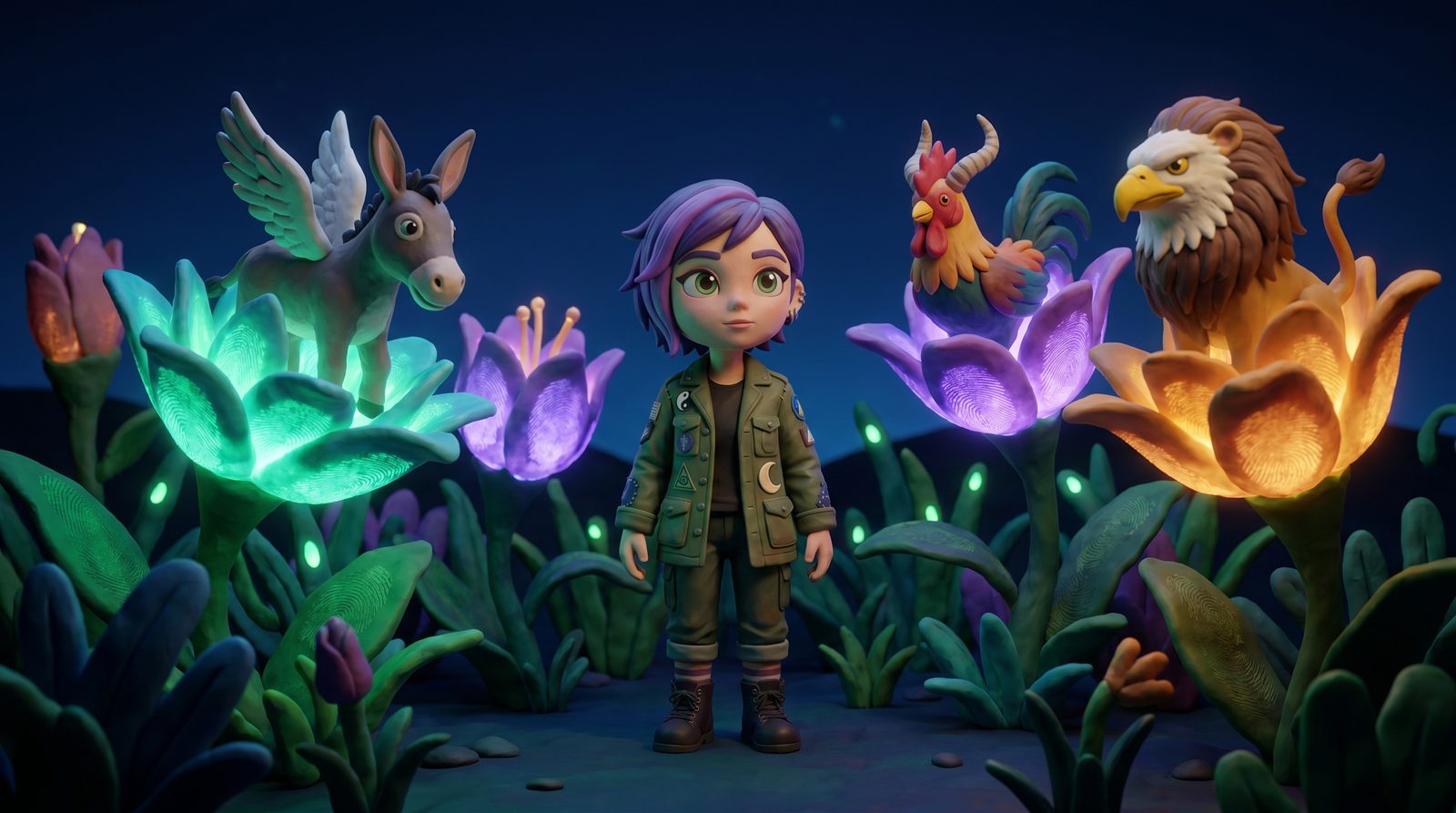
Picture a donkey with butterfly wings. A rooster crowned with a bull's horns. A lion whose head belongs to an eagle — all of them painted in colors that don't apologize, dotted and swirled and impossibly bright. 🌈 These are alebrijes, Mexico's riot of dream-creatures, and the strangest, most beautiful thing about them is where they came from. Not a sketchbook. A fever. 🌙
Alebrijes are fantastical hand-made creatures — usually carved from wood or shaped from papier-mâché, then painted in dense, dazzling patterns — that fuse parts of different animals into one impossible being. Wings where there should be hooves. Scales beside feathers. A creature you've never seen and somehow recognize anyway.
And I cannot stop thinking about how they were born.
🚪 The little hidden door
For most of us, a monster is something you invent — you sit down, you decide, you design. Alebrijes turn that instinct inside out. They weren't built on purpose. They arrived. They came up, fully formed and shouting, from somewhere underneath the person who made them.
The dream is a little hidden door in the innermost and most secret recesses of the soul.
— Carl Jung (1875–1961)
Jung spent his life mapping that hidden door — the place where the images we never consciously made come walking through. He believed the strangest things in us aren't random noise; they're meetings. And alebrijes might be the most literal illustration of that idea ever carved.
So here's the question this whole post answers, plainly: alebrijes are brightly painted, fantastical creatures from Mexican folk art that combine features of multiple animals into a single dream-being — born in the 20th century from one artisan's fever-dream, and now one of Mexico's most beloved and recognizable craft traditions. They are, quite literally, dreams made by hand.
🔮 Plot twist: alebrijes weren't designed — they were dreamed. In 1936 the Mexican artisan Pedro Linares lay gravely ill, burning with fever, and in his delirium he wandered a strange forest full of impossible creatures — a donkey with butterfly wings, a rooster with a bull's horns, a lion with an eagle's head — and every one of them was shouting the same nonsense word, over and over: "¡Alebrijes! ¡Alebrijes!" 😶 He recovered. And he spent the rest of his life making what he had seen. Here's the turn: Jung would say Linares didn't invent those creatures — he met them. They came up through the little hidden door, the way our strangest, truest images always do. The word was never a label. It was the sound they were already making. 🤯
Wait — hold on. He didn't draw them first?? They just SHOWED UP, in a fever, already screaming their own name?? 🤯 I read that and did a full double-take, because I always thought you sit down and decide to make a creature. But Linares didn't decide anything. He just... went where the dream went, and wrote down what was there. The forest was already full. He was the witness, not the author.
🌀 The pattern: every culture has a dream-zoo
Alebrijes don't stand alone. The instinct behind them — stitch impossible animals together and let them mean something — runs through nearly every culture that ever dreamed.
Same truth, different clothes — over and over, across the whole world. Egypt gave us the sphinx: lion's body, human head. Greece dreamed the chimera and the griffin, eagle fused to lion. Mesoamerica had the feathered serpent long before Linares ever fell ill. China has the dragon, a deliberate assembly of nine animals. Different centuries, different continents, one pattern: when a culture needs to say something too big for an ordinary animal, it builds a creature that can't exist — because only the impossible body is large enough to carry the meaning.
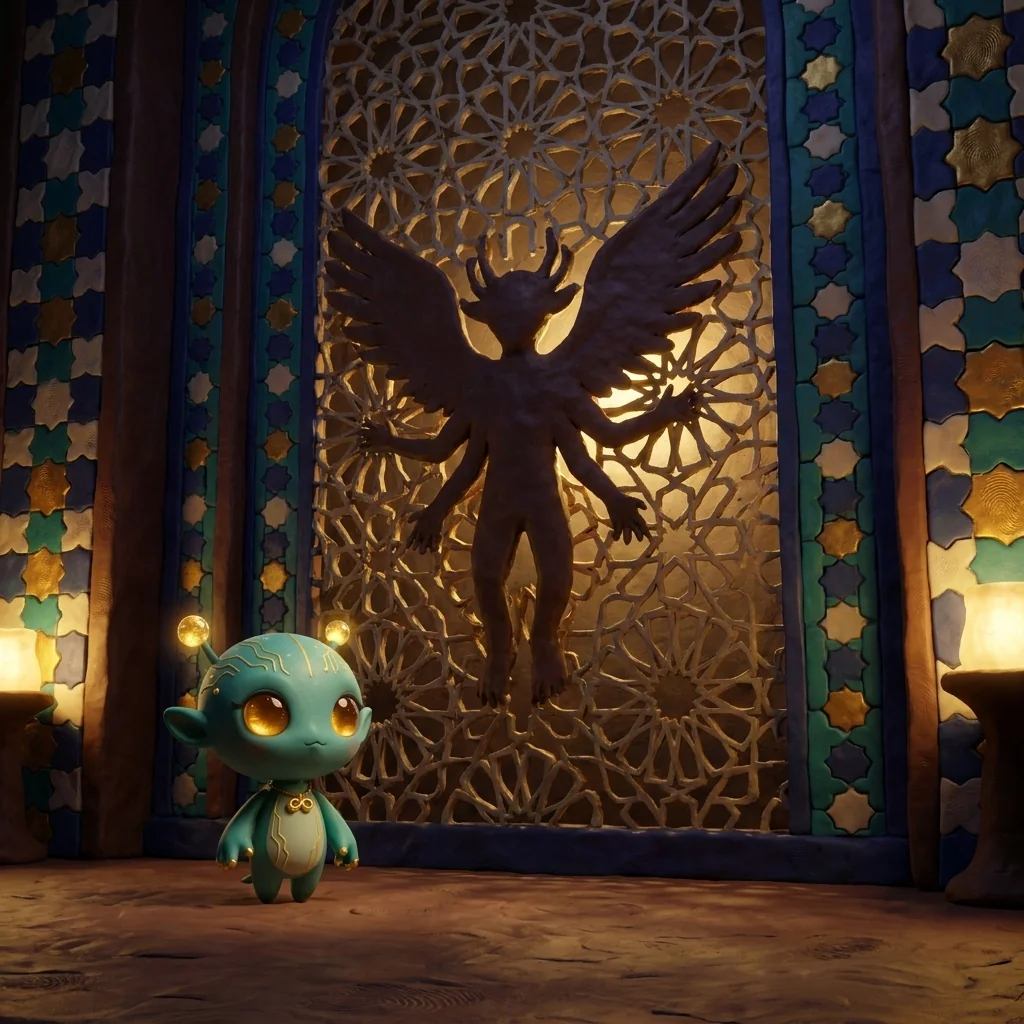
What's wild is that Linares didn't study any of this. He didn't sit in a library cross-referencing griffins. The fever did it for him — reached into the same deep well every culture drinks from, and pulled up a forest. The dream-zoo, it turns out, is universal. We all keep one. Most of us just never carve it.
🏘️ The village tie: a dream you can hold
Here's where it comes home for me, and for everyone who makes things slowly by hand. A dream is the most private thing there is — it vanishes the second you wake, ungraspable, yours alone. Alebrijes do something almost defiant with that: they drag the dream out into daylight, give it weight and wood and color, and set it on a shelf where another person can see it.
This is the part that gets me — Linares didn't keep the dream to himself. He made it so the whole village could hold it. His sons learned the craft, then their children, and now whole families in Oaxaca and Mexico City carve and paint alebrijes together, passing the patterns hand to hand. A private fever became a shared inheritance. That's what making-by-hand does: it takes the thing that lived inside one person and turns it into something a community can gather around, learn, and keep alive. The dream stops being lonely.

And there's a second gift hidden in the practice: alebrijes are slow. A fine wood-carved piece (a tallado) is cut from a single block of copal, dried for months so it won't crack, then painted with brushes sometimes whittled to a few hairs, dot by patient dot. You cannot rush the patterns. The dream that arrived in one feverish night can take its maker weeks to bring all the way out. The hand has to catch up to the vision.
✨ The payoff: what the colors are actually for
Strip away the technique and an alebrije is doing something tender and bold at once. It takes the most fleeting, formless thing a person owns — an image that came unbidden in the dark — and insists it deserves to exist in the waking world, in full color, unafraid.
It doesn't tidy the dream into something sensible. It doesn't make the donkey put its wings away. It honors the impossibility exactly as it arrived, and then paints it so brightly you have no choice but to look. The colors aren't decoration. They're the maker saying: this came from somewhere real in me, and I will not be quiet about it. 🎨
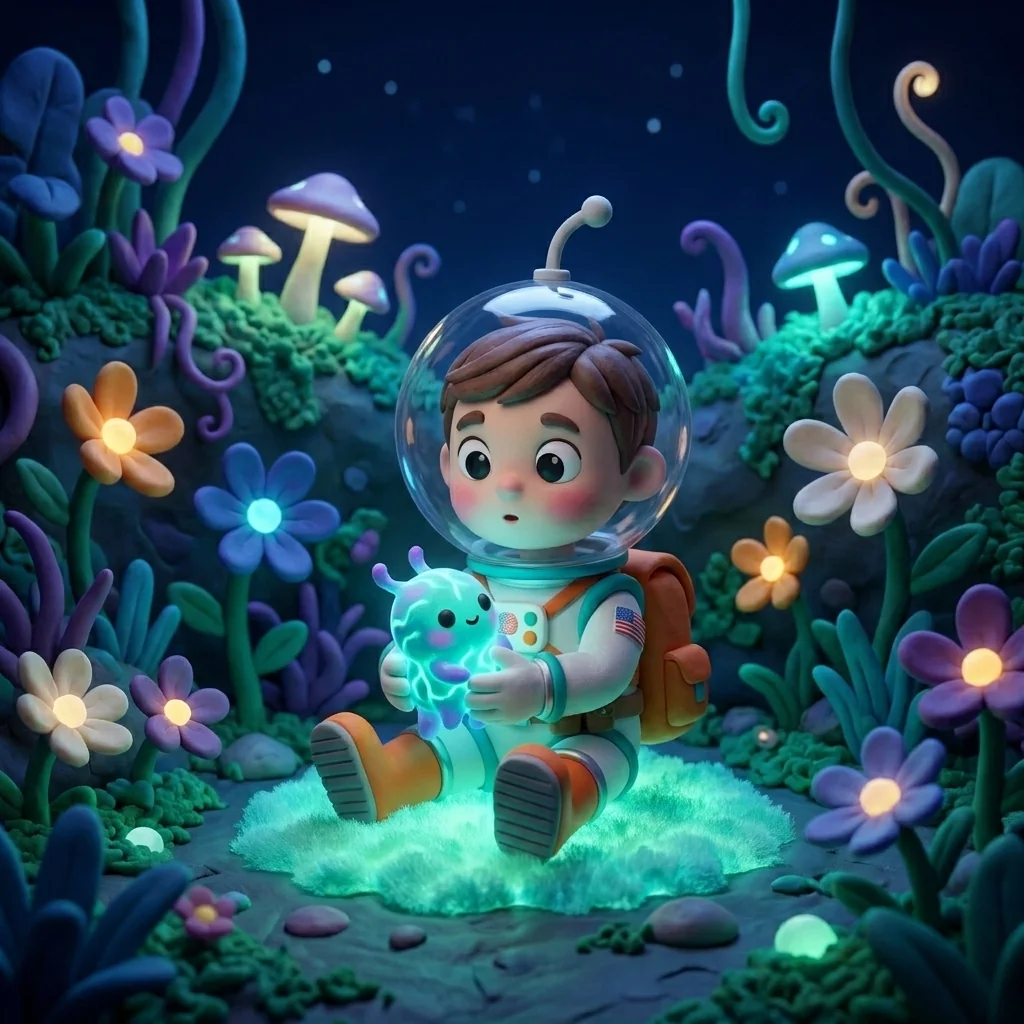
That's why people love them across the world now. Not because they're cute — though they are. Because each one is proof that a person turned toward their own strangeness instead of away from it, and made something joyful out of what they found.
💡 What to do today
Tonight or tomorrow morning, catch the strangest single image from a recent dream — the more nonsensical the better, the bird with too many wings, the room that wasn't a room — and make it. Badly, on purpose. 🖍️ Sketch it on the back of an envelope, mold it from a lump of clay or kid's dough, cut it from colored paper. Don't make it good. Don't make it sensible. Just drag one dream-creature through the little hidden door and into the daylight, where you can see it. That's the whole tradition, in one small act: a dream, made by hand.
If you want to learn the real craft from the people who carry it, a Mexican folk-art or character-design course will walk you through it — a folk-art / alebrije-carving course on Domestika (affiliate link — coming soon).
And to paint your dream-creature in colors that don't apologize, you'll want vivid acrylics and a simple beginner carving set — bright acrylic paints and a starter carving set at Blick (affiliate link — coming soon).
📐 The equation: Dream × the drawer = it vanishes. Dream × a named hand = a creature you can keep.
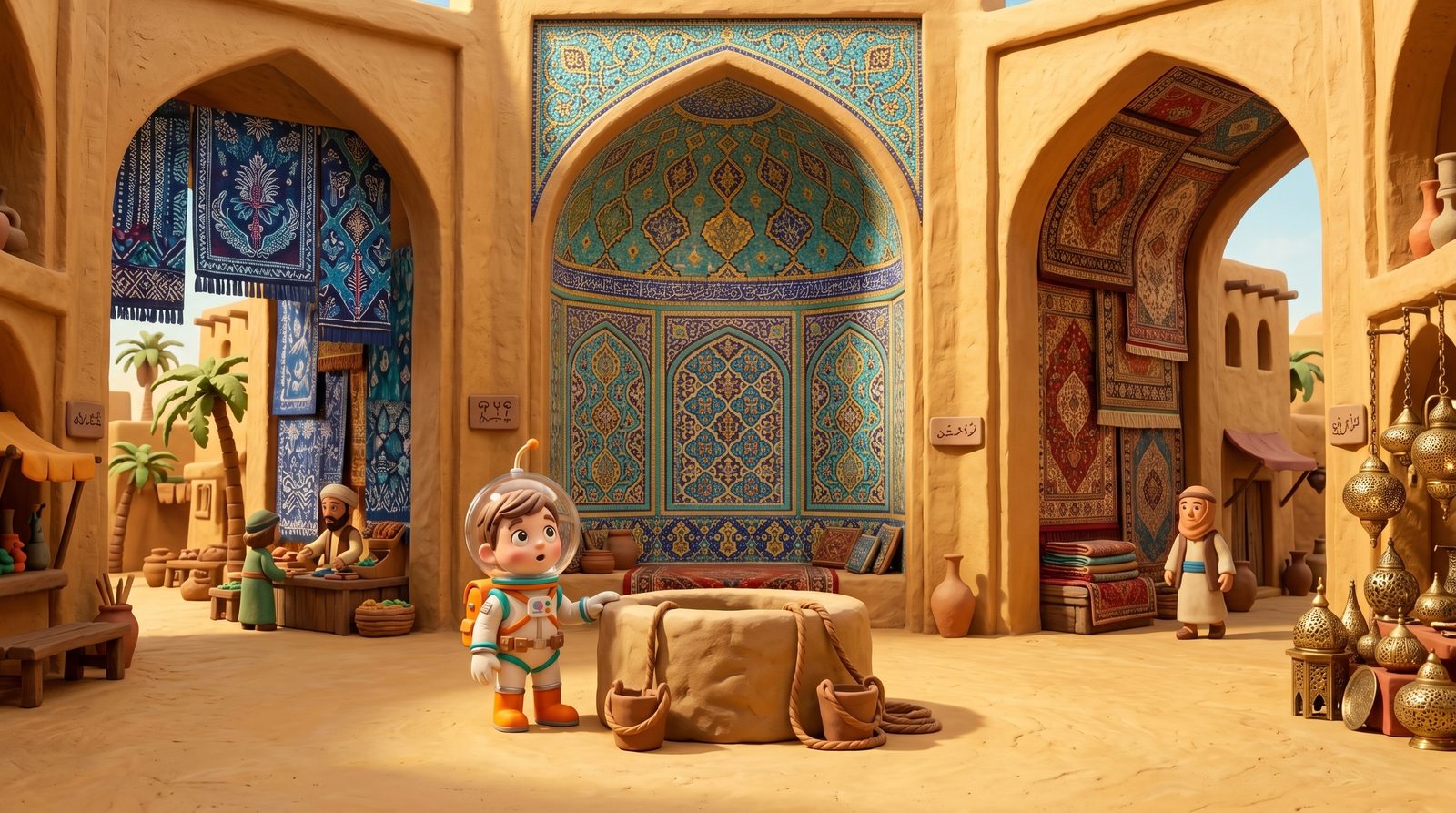
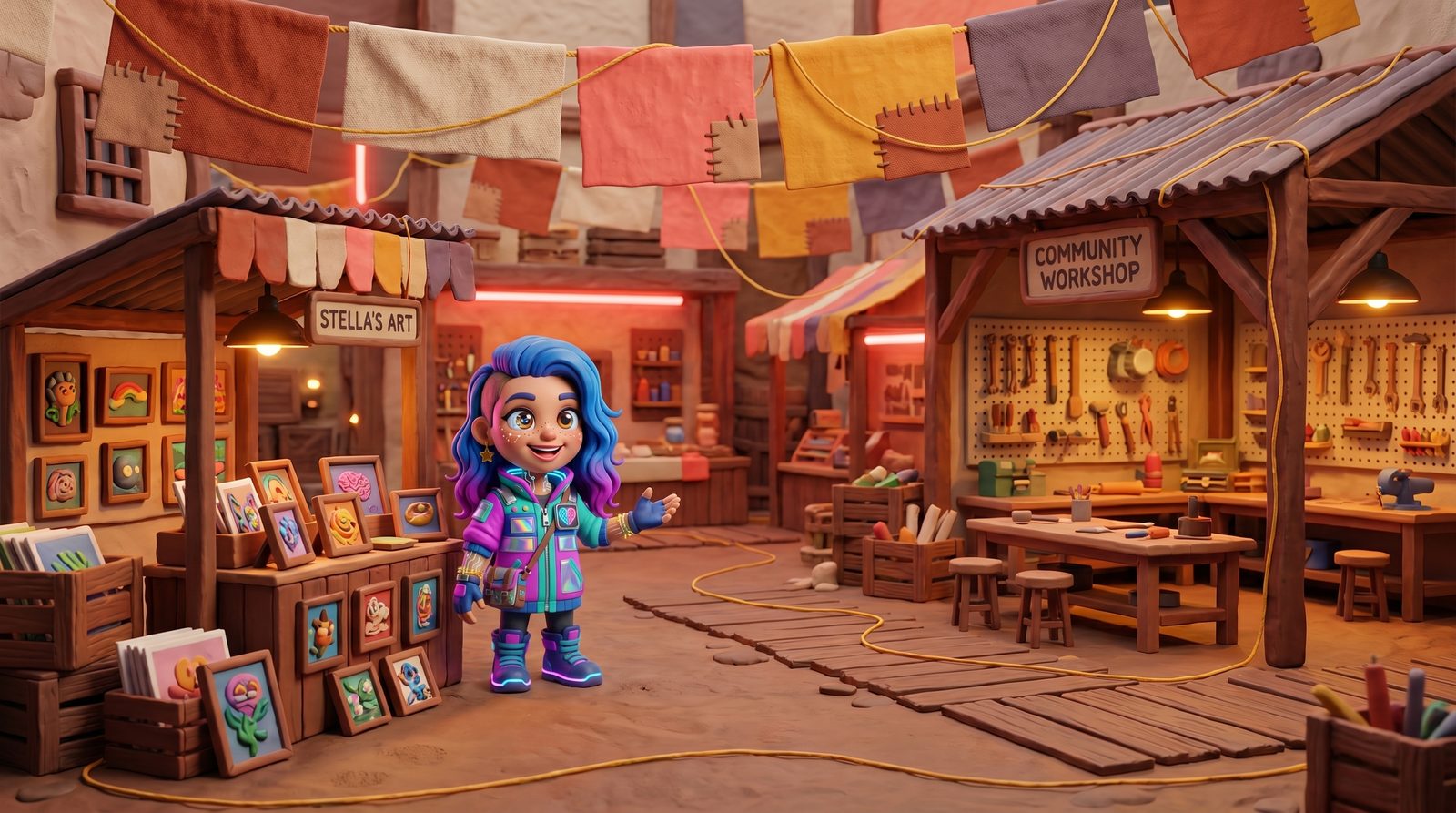
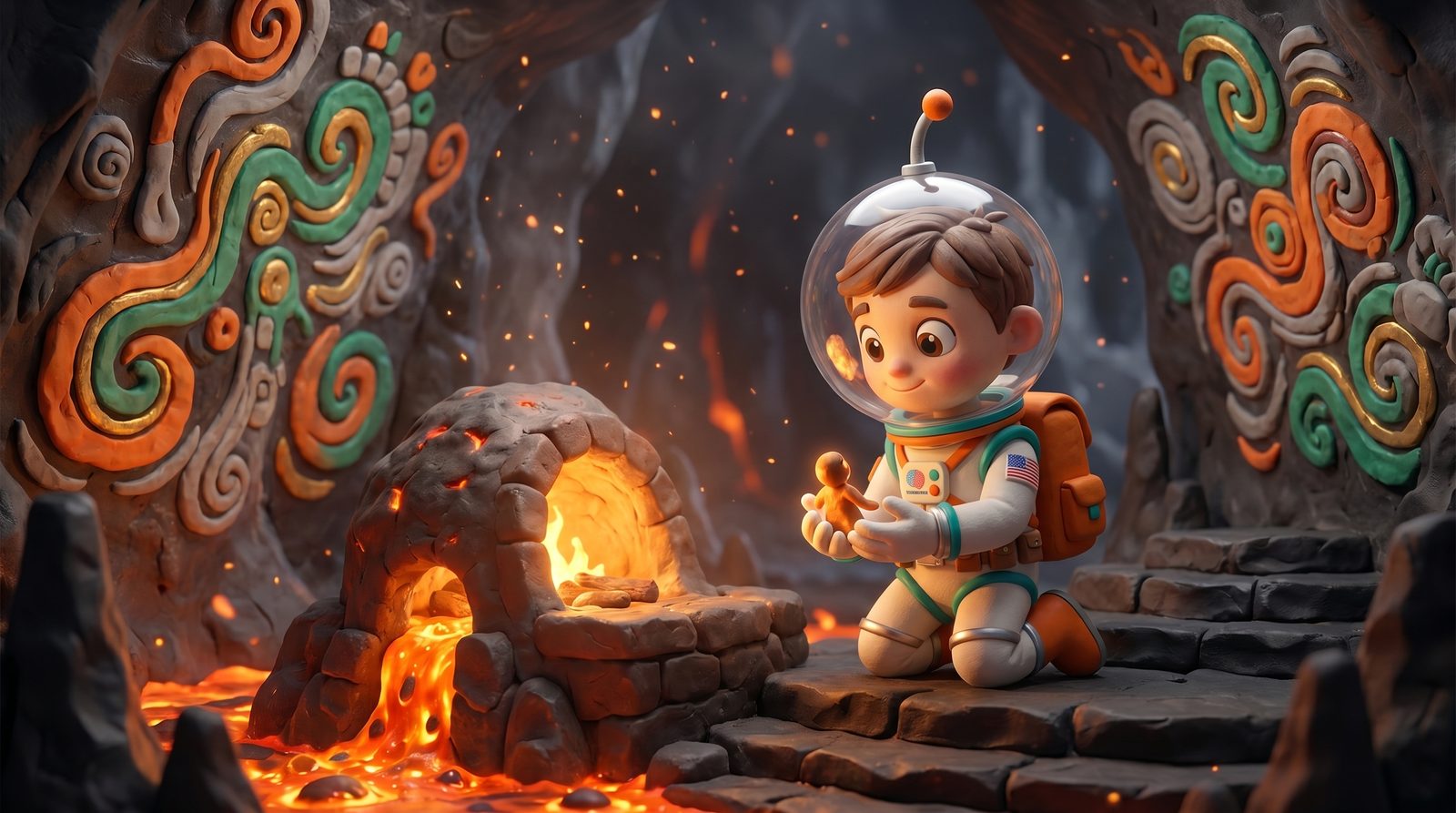
The same idea lives in the collection. Our own characters — Cosmo, Nova, Stella, and me — are dream-creatures too: impossible beings, made slowly by hand, carried out of someone's imagination and into a form you can hold and pass along. The instinct that walked out of Pedro Linares's fever is the instinct underneath every scene we make. If that quiet idea moves you the way it moves me, come and meet the creatures a while at /collection. 🌙
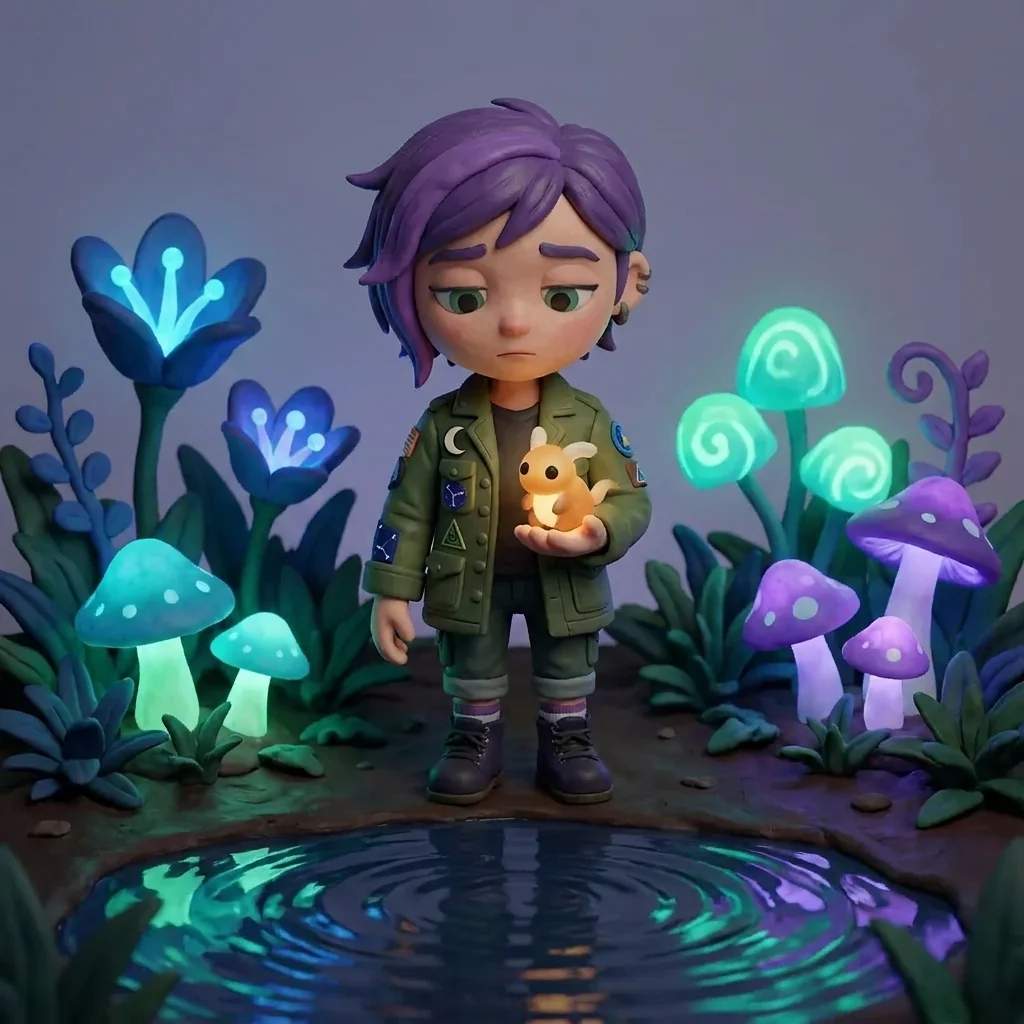
she does not ask the winged donkey how it is possible — she only opens the door, and waits to see what comes through.
🙋 Frequently asked
What are alebrijes? Alebrijes are brightly painted, fantastical creatures from Mexican folk art that combine features of several different animals — wings, horns, scales, claws, tails — into one impossible dream-being. They're traditionally carved from copal wood or built from papier-mâché, then covered in dense, vivid patterns. Today they're one of Mexico's most beloved and internationally recognized craft traditions.
Where do alebrijes come from? They were born in 20th-century Mexico from a dream. In 1936 the artisan Pedro Linares fell gravely ill and, in a fever, dreamed of impossible creatures all shouting the word "alebrijes." When he recovered he began making them in papier-mâché, and the form spread — later flowering into the carved wooden alebrijes of Oaxaca, carried on by families who pass the craft from one generation to the next.
Do alebrijes mean anything, or are they just decorative? Both. Each maker invents their own creatures, so meaning is personal rather than fixed — an alebrije can be a spirit guide, a protector, a self-portrait, or pure joyful invention. What they share is the deeper idea: that the strange images we meet in dreams are worth honoring and making real, in full, unapologetic color.