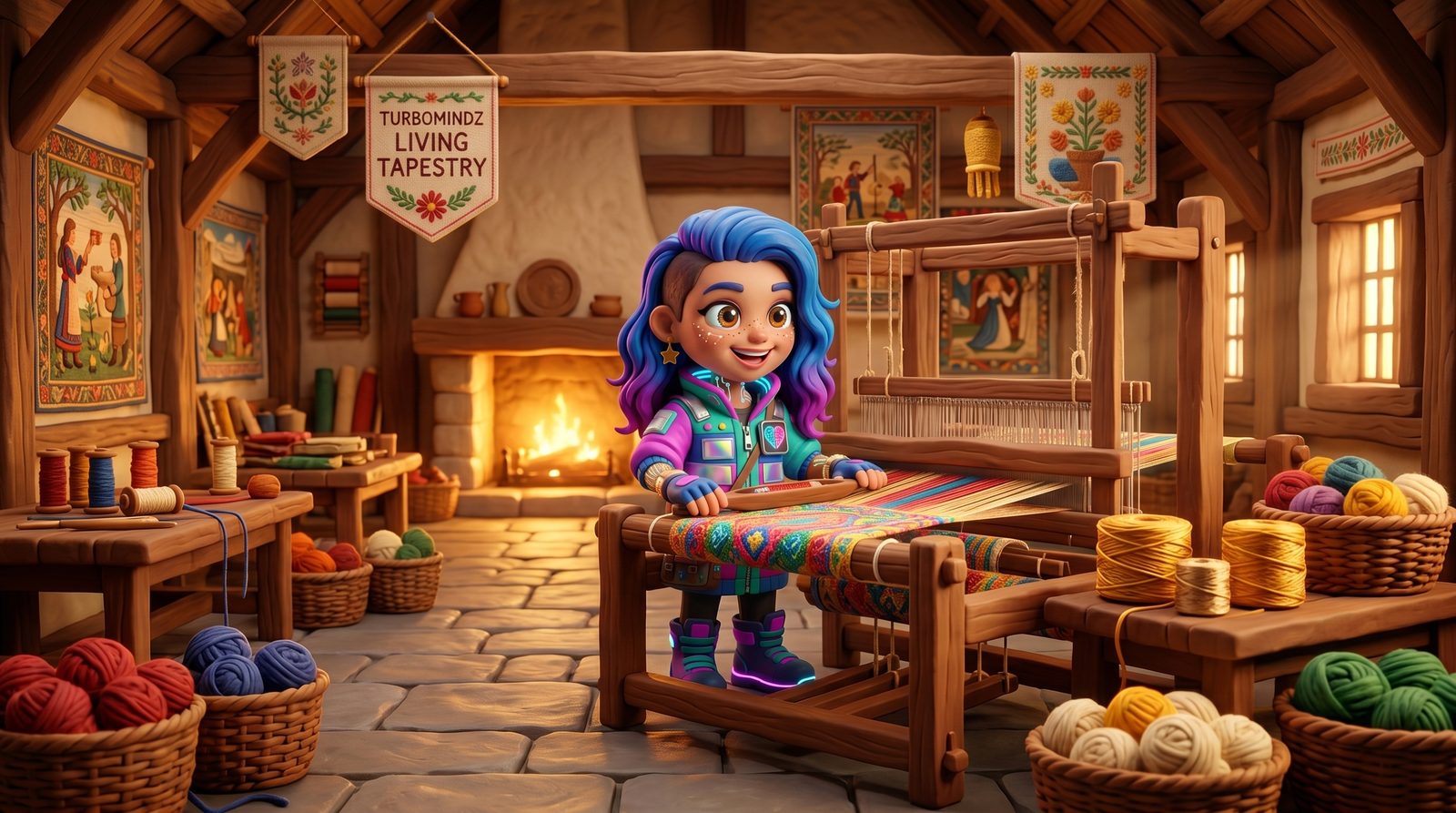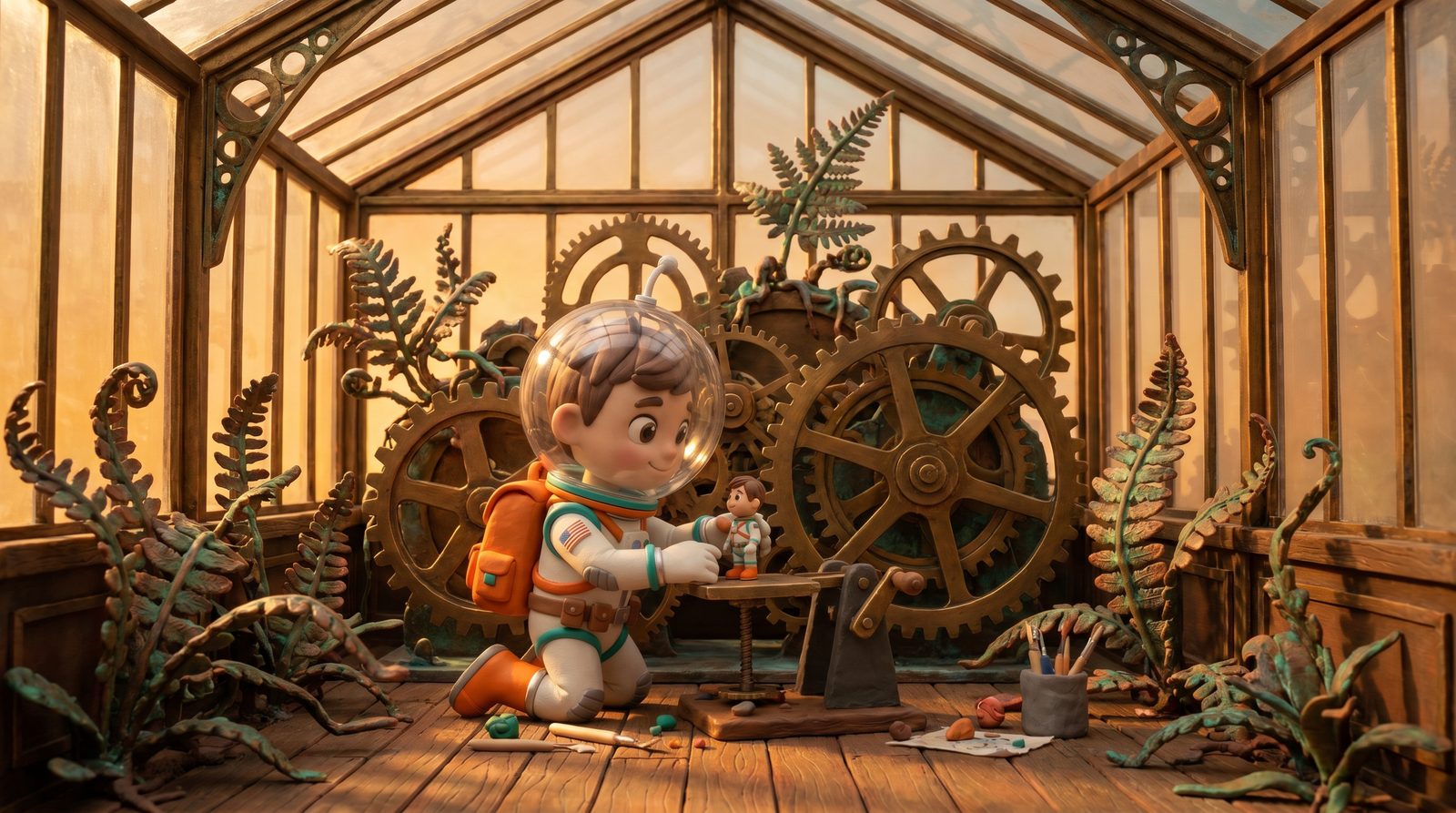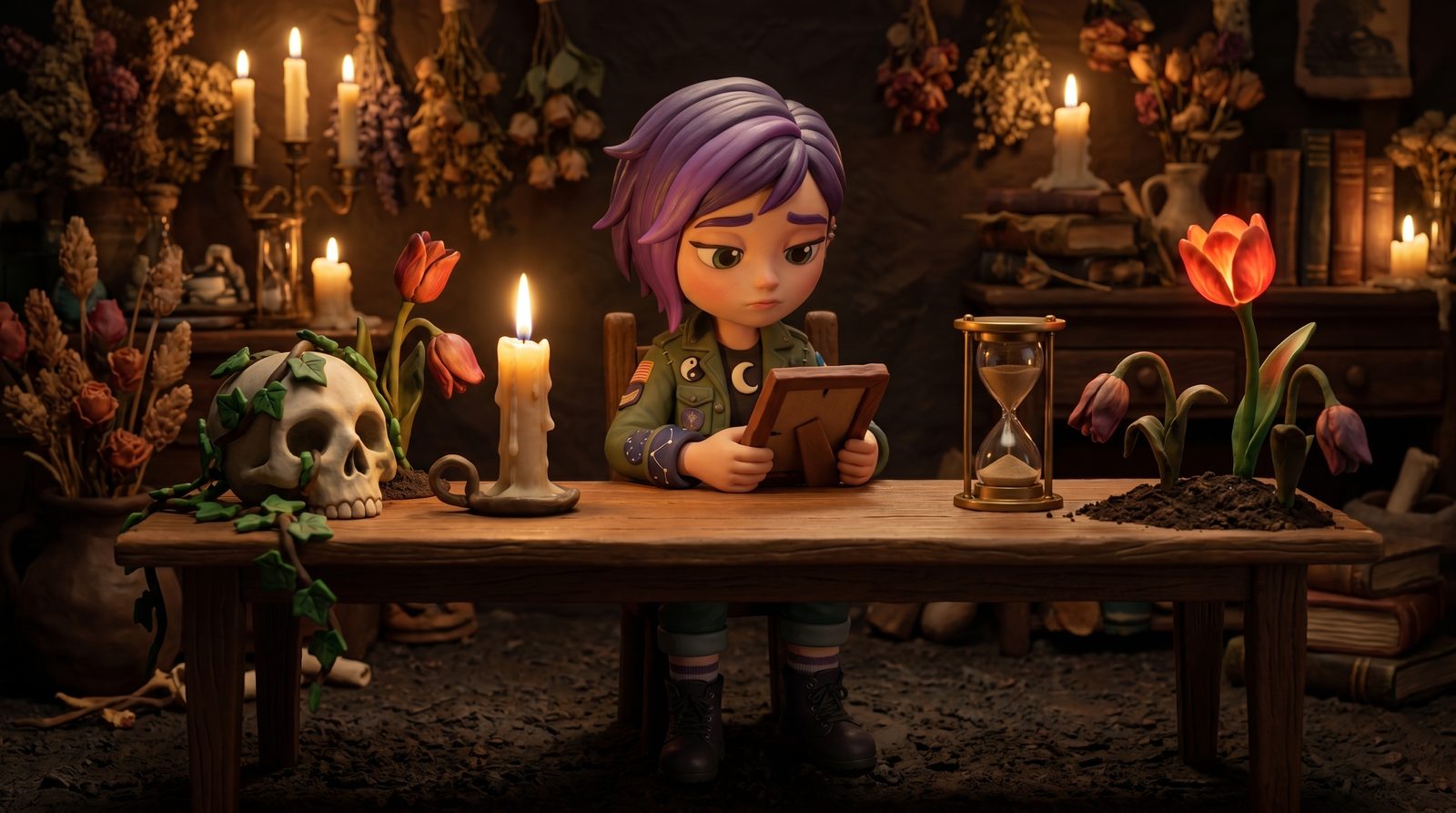
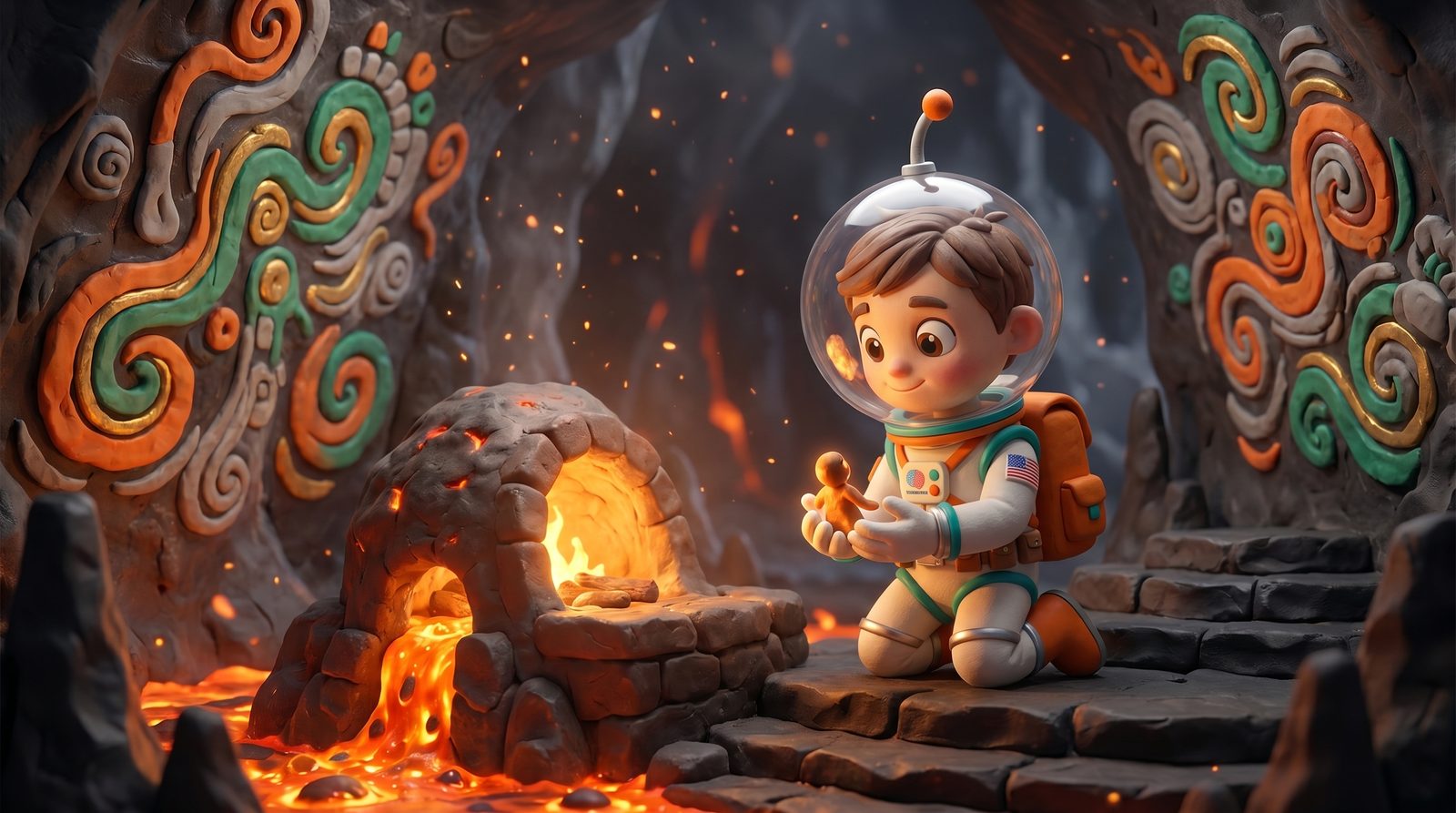
Here's a fact that rearranges your insides a little: on every single inhabited continent, for as far back as we can dig, humans have made tiny figures out of clay. 🌍 Not pots. Not bowls. Little beings — people, animals, gods, dolls — squeezed into shape by a thumb. We never stopped. You probably did it as a kid without knowing you were joining a line 30,000 years long.
There's something almost suspicious about how universal this is. 🏺 Cultures that never met, never traded, never shared a word — Japan and Mexico and West Africa and the Balkans — all independently looked at a lump of wet earth and thought: I'll make a tiny version of us. That's not a coincidence you can wave away. That's a fingerprint of what we are. And it leads straight to a question worth sitting with: why has our species, for basically its entire existence, kept making small clay beings by hand?
🏛️ The world born from one clay
To get at the answer, I want to hand you the oldest idea in the file. Long before anyone framed this as anthropology, a 8th-century Indian philosopher named Adi Shankara used clay itself to explain reality. His move was deceptively simple — pick up a clay pot and ask what it actually is. The shape is "pot," sure. But the substance — the stuff that's truly there — is only ever clay. Pot, lamp, figure, brick: all of them are just clay wearing a temporary name.
All modifications of clay, such as the pot, are ever in essence nothing but clay; even so this whole universe, born of the Self, is the Self alone.
— Adi Shankara (788–820)
🔮 Plot twist: humans have shaped small clay figures on every inhabited continent for tens of thousands of years — and the OLDEST known fired-ceramic object on the entire planet, the Venus of Dolní Věstonice, is a little clay figurine made around 29,000 BCE. 🤯 Sit with the timeline, because it's staggering: that's roughly FIFTEEN THOUSAND years before anyone fired clay into a useful pot. The very first thing our species did with fire and earth wasn't make a bowl to survive the winter — it was make a tiny figure, for no practical reason at all. We were sculptors before we were potters. Art came before utility. Which means Shankara's line isn't poetry — it's the literal report from the dig site. All those figures, across all those cultures and all those millennia: one clay.
Hold on — let me say that part again because it broke my brain. 😅 The FIRST thing? Not the spear, not the pot, not the roof — a tiny figurine. I did the math on the gap and it's not close: fifteen THOUSAND years of people firing clay just to make little beings before a single one of them thought "you know what'd be handy? A cup." We didn't invent ceramics to eat. We invented it to MAKE SOMEBODY. That changes what I think art even is.
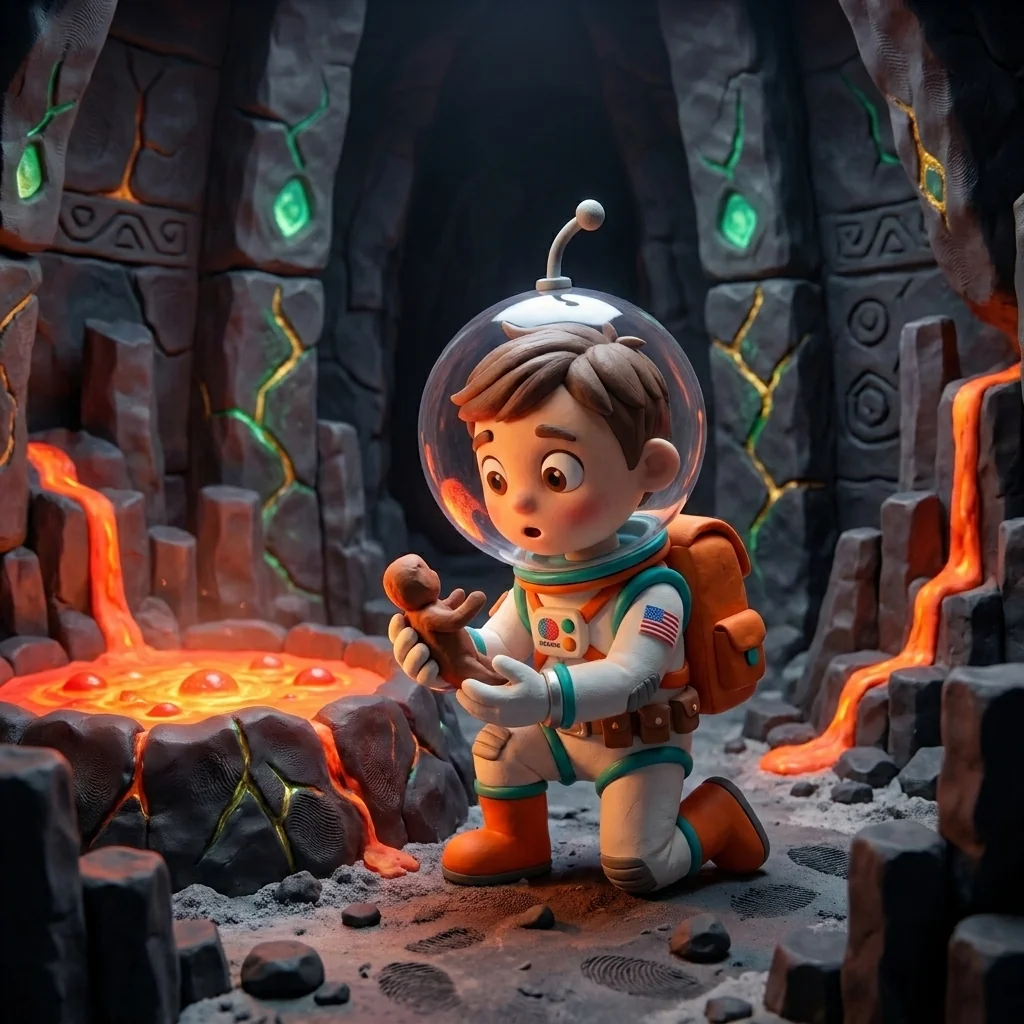
🧬 The same impulse, in a thousand costumes
So why does this keep happening, everywhere, unprompted? Because clay is the most honest material there is. It's underfoot on every continent. It takes a shape from the lightest pressure of a hand. And then — this is the magic part — fire makes that fleeting gesture permanent. A thumbprint becomes a thing that outlives you by thirty thousand years. No other material lets an ordinary person turn a passing feeling into something nearly eternal, for free, with their bare hands. 🔥
Here's the pattern worth seeing. The Jōmon of Japan pressed their dogū. West Africa shaped the Nok terracottas. Mexico made its West Mexican figures, the Balkans their Vinča idols, the Indus Valley its little clay carts and oxen. None of these cultures knew the others existed. Same truth, different clothes: give a human earth, a hand, and fire, and they will make a small version of a living thing. The technology is universal because the need is universal. We don't make figures because someone taught us to. We make them because we're the kind of animal that has to.
And look at what they made — that's the tell. Overwhelmingly, the tiny clay things were people and animals and spirits. Beings. Faces. We weren't modeling tools or weapons in miniature. We were making company. A small clay person to hold, to bury with someone we loved, to set on a shelf, to give a child, to stand in for a god. The figure was never about utility. It was about presence — having a someone where there wasn't one before. 🕊️
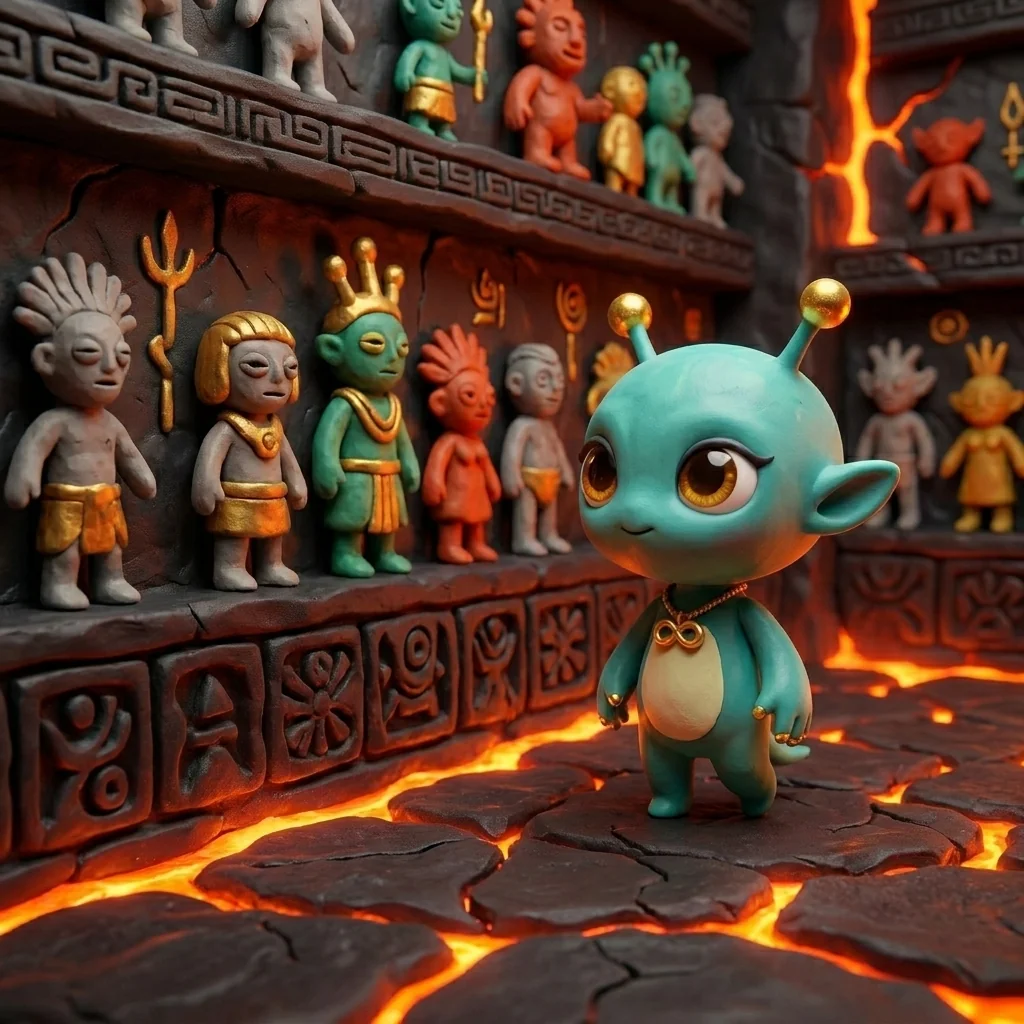
🏘️ Made by hand, loved into a name
Here's the part the Village cares about most, because it's the part that never modernized away. For all our machines, the small clay being is still made the exact same way it was in 29,000 BCE: a human, a lump, a few minutes, a face that wasn't there a moment ago. 🥹 No factory ever improved on it, because the point was never efficiency. The point was the hand.
This is the Village rule written in mud, and I love it: a tiny clay figure is the most democratic art on Earth. No studio, no gatekeeper, no talent you have to prove first — just earth and a thumb and a few quiet minutes. Every culture figured this out on its own because making a little being is something anyone can do, and somehow everyone wanted to. That's us. We're the species that, the moment we could keep a shape forever, used the power to make each other small and dear and named. Nobody had to be invited. Everybody just started.
If you want to feel that lineage in your own hands tonight, a forgiving beginner block of air-dry or polymer clay from Blick is the friendliest first buy — soft enough to take a thumbprint, patient enough to forgive a wobble (affiliate link — coming soon).
But hear me clearly — you do not need to buy a thing to join this line. A fistful of mud from the garden has worked for thirty thousand years and it'll work tonight. The point is to begin, not to shop. 🌿

🎭 What the tiny figure was always for
So circle back to the question — why this, why everywhere, why forever? Because making a small clay being is the simplest way a human has ever found to say I was here, and I made a someone. It's love and memory and wonder, pressed into the one material soft enough to take it and tough enough to keep it. The figurine isn't a primitive ancestor of "real" art. It IS the real art — the oldest, purest version of the thing we still do every time we shape a character and give it a name.
And if you've read this far, you already feel the loop closing. 🌀 Shankara was right at the dig site and right in the studio: pot, idol, dogū, the little blob you'll make tonight — all of it, one clay. The shapes are countless. The substance is single. We are the animal that turns one earth into endless small beings, and then loves them.
📐 The equation: One clay × a human hand = endless tiny beings.
And here's the soft, true thing to close on. Every Turbomindz character is one of those tiny clay beings. 💫 Cosmo, Nova, Stella, Luna — each one shaped by hand, given a face, and then loved into a name, exactly the way a Jōmon potter or a Nok sculptor did 30,000 and 2,000 years ago. We're digital, but the impulse is the oldest one we have: take the one clay and make a someone to keep. When you've held your own lump tonight, you'll read the collection differently — not as pictures, but as the newest figures in a line that has never once stopped.
she presses a thumb into the wet clay, lifts it away, and a small face is looking back — older than language, younger than a minute.
💡 What to do today — join the 30,000-year line
One action, tonight, no skill required 🌙:
Roll a lump of clay — any clay, even garden mud — into one small figure. Give it a head. Poke two eyes. That's the whole assignment. The moment you do it, you are doing the exact thing a human did 29,000 years before the pottery wheel, on a continent that no longer has a name we'd recognize. You're not imitating that person. You're continuing them. Set your little being somewhere you'll see it tomorrow — you've just added one more figure to the oldest collection on Earth.
If you want to follow the lineage further — who made what, where, and why — a good history of clay and world folk figurines from Bookshop.org is a quietly thrilling rabbit hole (affiliate link — coming soon).
🙋 Frequently asked
What is the oldest clay figurine? The oldest known fired-clay figurine is the Venus of Dolní Věstonice, made in what's now the Czech Republic around 29,000 BCE — and it's also the oldest fired-ceramic object of any kind ever found, predating the first clay pots by roughly 15,000 years. Humans were sculpting little clay beings long before they made a single useful vessel. Art, on the evidence, came before utility.
Why did ancient people make clay figures? Mostly to make presence — a small being to hold, to honor, to bury with the dead, to give a child, or to stand in for a god or ancestor. Across cultures that never met, the figures were overwhelmingly people, animals, and spirits, not tools. Clay was everywhere underfoot, took a shape from the lightest touch, and fire made that gesture permanent — so it became the world's most democratic way to turn a feeling into a thing that lasts.
Why did so many different cultures make clay figures independently? Because the ingredients are universal and so is the need. Every inhabited continent has clay, every human has hands, and fire turns a passing shape into something near-eternal. Given those three things, people everywhere reached the same idea on their own: make a small version of a living thing. It's less a shared invention than a shared instinct — a fingerprint of what our species is.