There's a quiet secret the gallery crowd doesn't put on the wall: the sharpest collectors I know are almost all people who make a little art themselves. 🎨 Not for a living — just enough to have felt, in their own hands, how stubborn a single clean line really is.
Here's why that matters to you, even if the last thing you drew was a stick figure on a meeting agenda. 🖋️ The eye that buys art well and the hand that makes it badly are the same muscle. Make one small wobbly thing — a doodle, a lump of clay — and the next time you stand in front of a real piece, you won't see a price tag. You'll see the thousand decisions the maker got right. That's collecting. And the door in is a pencil you already own.
🧵 The man who catalogued everything still said: you can't be told
Before you pick up that pencil, meet our witness. Aristotle tutored Alexander the Great and then sat down to map almost everything humans knew — logic, biology, poetics, politics, even the weather. 🌦️ He was the ultimate theorist, the man who quite literally wrote the book on nearly every subject there was.
For the things we have to learn before we can do them, we learn by doing them.
— Aristotle (384–322 BCE)
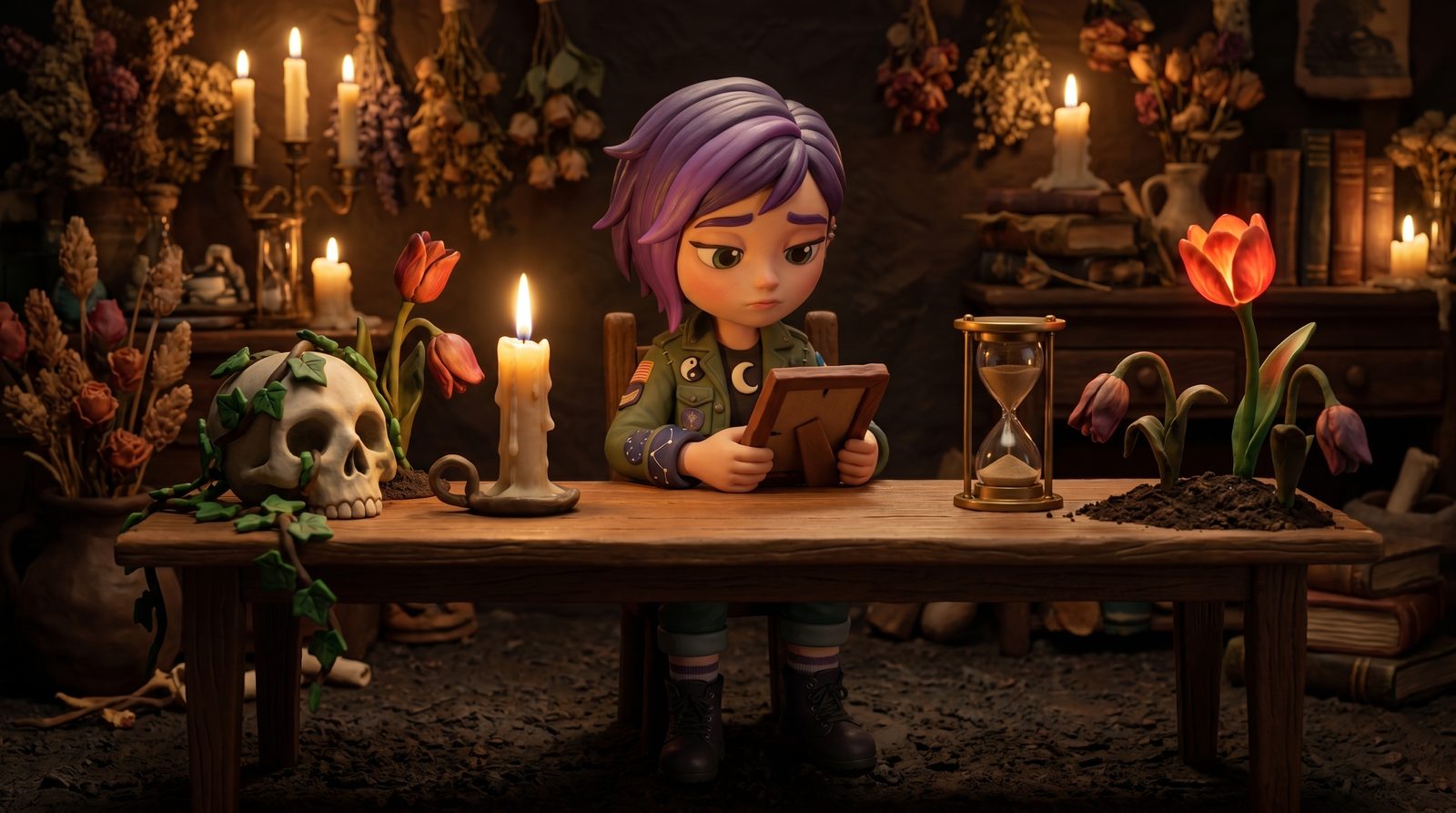
🔮 Plot twist: This is the greatest theorist in history admitting the theory isn't enough. 😶 Aristotle catalogued the entire known world — and still insisted the most important things cannot be handed to you in words. Virtue, craft, art: you learn them ONLY by doing them, over and over, badly at first, until they quietly become yours. So the man who could explain anything would not tell you to read your way into understanding art. He'd hand you a stick of charcoal and say make something — make it badly — and now look again. You don't understand a painting by being told about it. You understand it the first time you try to draw a hand and fail.
Wait — the guy who wrote the book on EVERYTHING said the book isn't enough?? 🤯 That cracks me open a little. I spent years thinking I'd "get" art once I'd read enough about it. Then I tried to draw a simple coffee cup and produced a sad potato. 😅 And here's the wild part: my potato taught me MORE about why a good still life is hard than every label I'd ever squinted at. I felt the difficulty in my own hand. THAT'S the thing you can't be told. You have to ruin a coffee cup yourself.
👀 Making is how the eye learns to see the decisions
Walk past a piece you don't make anything like and you'll register it as a flat fact: nice, expensive, famous, whatever. Make even a little art yourself and that same piece cracks open into a sequence of choices — where the maker put the weight, what they left out, the one risky mark that holds the whole thing together. You stop seeing a finished object. You start seeing a decision tree someone climbed.
Look at the pattern — it's the same engine everywhere, just wearing different clothes. The chef tastes better because she cooks. The reader who has tried to write a paragraph spots the sentence that took ten drafts. The collector who has drawn a single bad hand can suddenly see, across a whole gallery, exactly where every other hand was hard. Making doesn't compete with seeing. Making is how the eye gets its instruments. You are not learning to draw — you are installing a lens you'll look through for the rest of your collecting life.
If you'd like to actually train that hand-and-eye on purpose — gently, with no critique panel and no talent requirement — a good beginner course is the kindest place to start. The intro drawing tracks on Domestika are warm, slow, and built for the never-drawn-before crowd (affiliate link — coming soon).
🏘️ The truest collectors are the ones who also make
So here's the part I care about most. The art world quietly splits people into makers and buyers, as if you have to pick a side. 🌟 You don't. The richest collectors I've ever met are the ones who never fully crossed over — who still keep a sketchbook, still botch a watercolor on Sundays, still know in their fingertips what it costs to make a single honest mark.
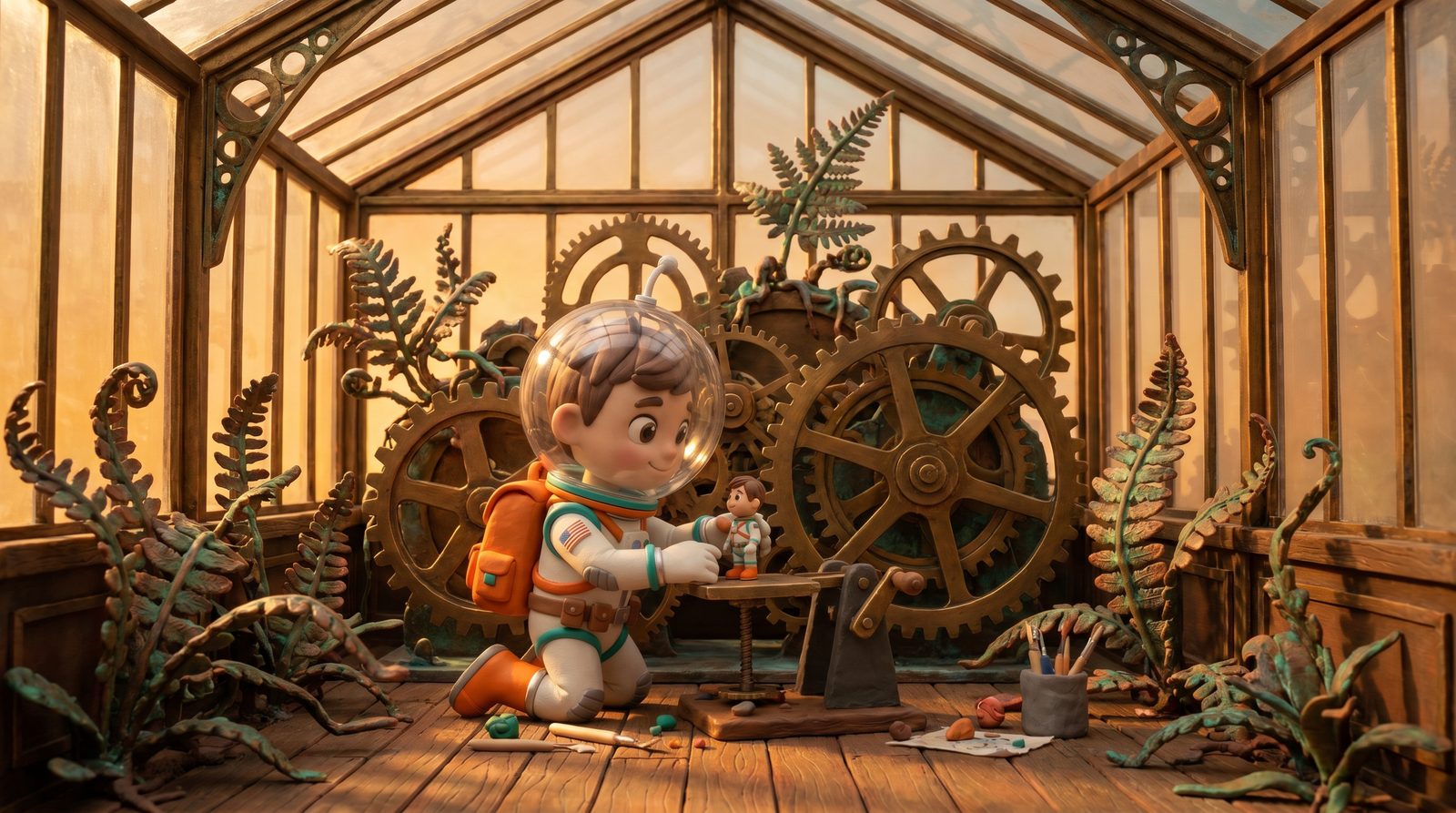
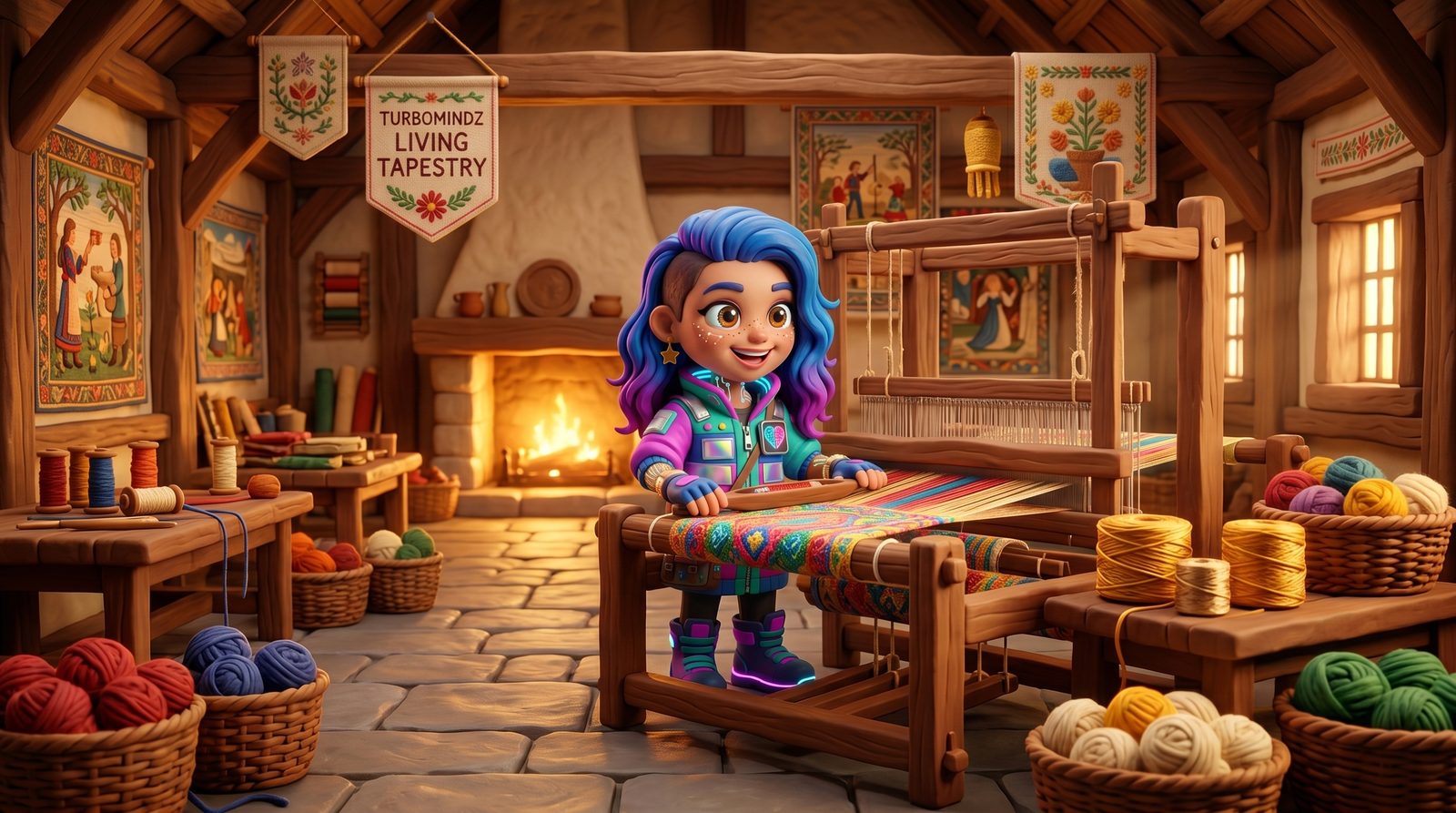
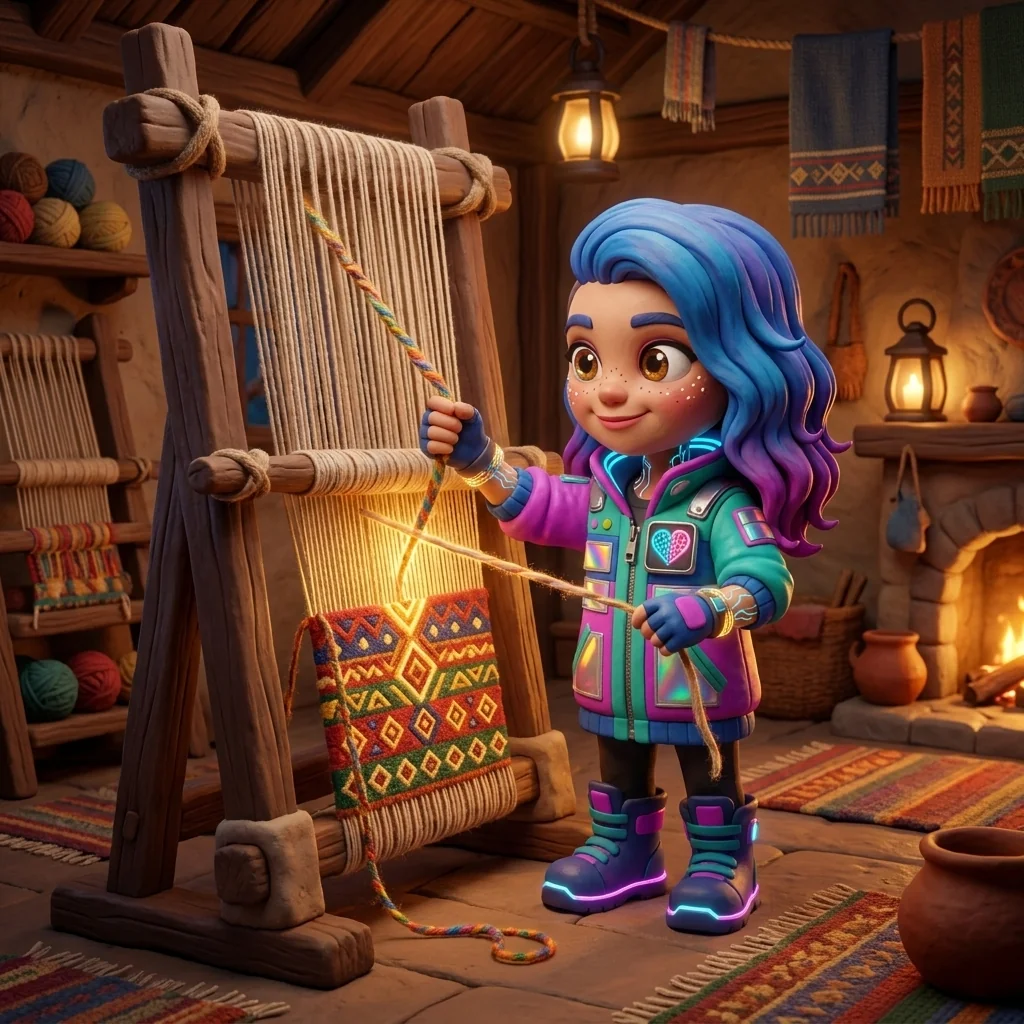
Let me be plain, because this is the whole reason I wrote this: making and keeping are not two clubs. They're one table. 🪡 We built the Turbomindz village as a weaving hall on purpose — a place where the rough thread you spin yourself and the finished cloth you choose to hang both run up through the same loom. The person who doodles on a napkin and the person who buys the piece are the same person on a good day. You don't graduate out of making to become a collector. You collect better because you never stopped making. There's a seat here with your name on it, a pencil on the table, and a wall waiting for whatever you choose to keep.
And if you want something to make with — not a pro kit, just the friendly starter set that gets you doodling tonight — a basic sketch pad and a few pencils is genuinely all you need. The beginner sketch sets at Blick are inexpensive and quietly excellent for a first wobbly week (affiliate link — coming soon).
🪞 Why the bad first thing is the whole point
Here's the math nobody tells beginners. 📐 The goal of your first doodle is not a good doodle. The goal is the feeling in your hand of how hard "good" actually is — because that feeling is the exact instrument a great collector uses to recognize craft in someone else's work. A bad first drawing isn't a failure on the road to collecting. It IS the collecting class. You're not buying a skill; you're buying a sense of what skill costs.
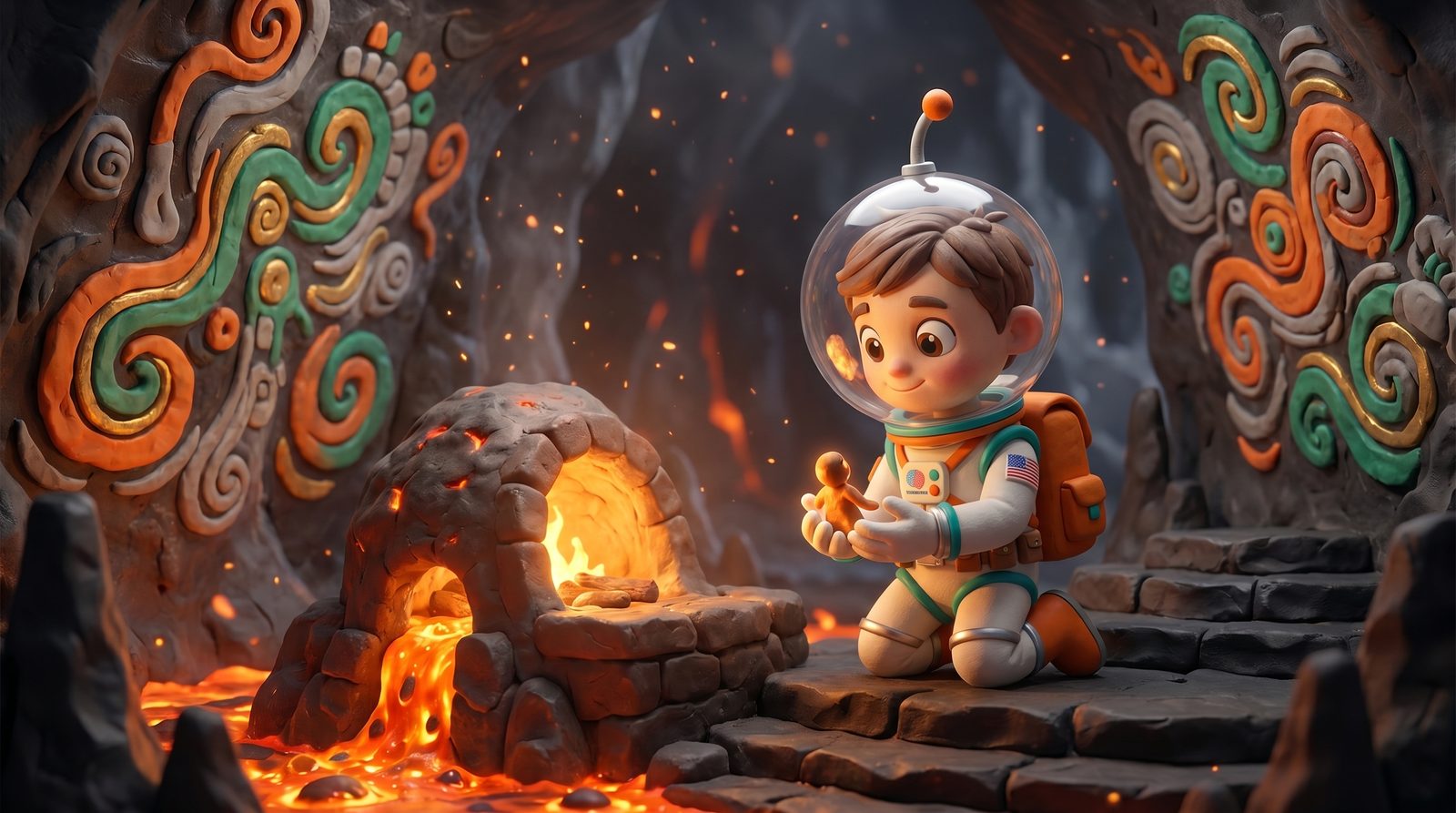
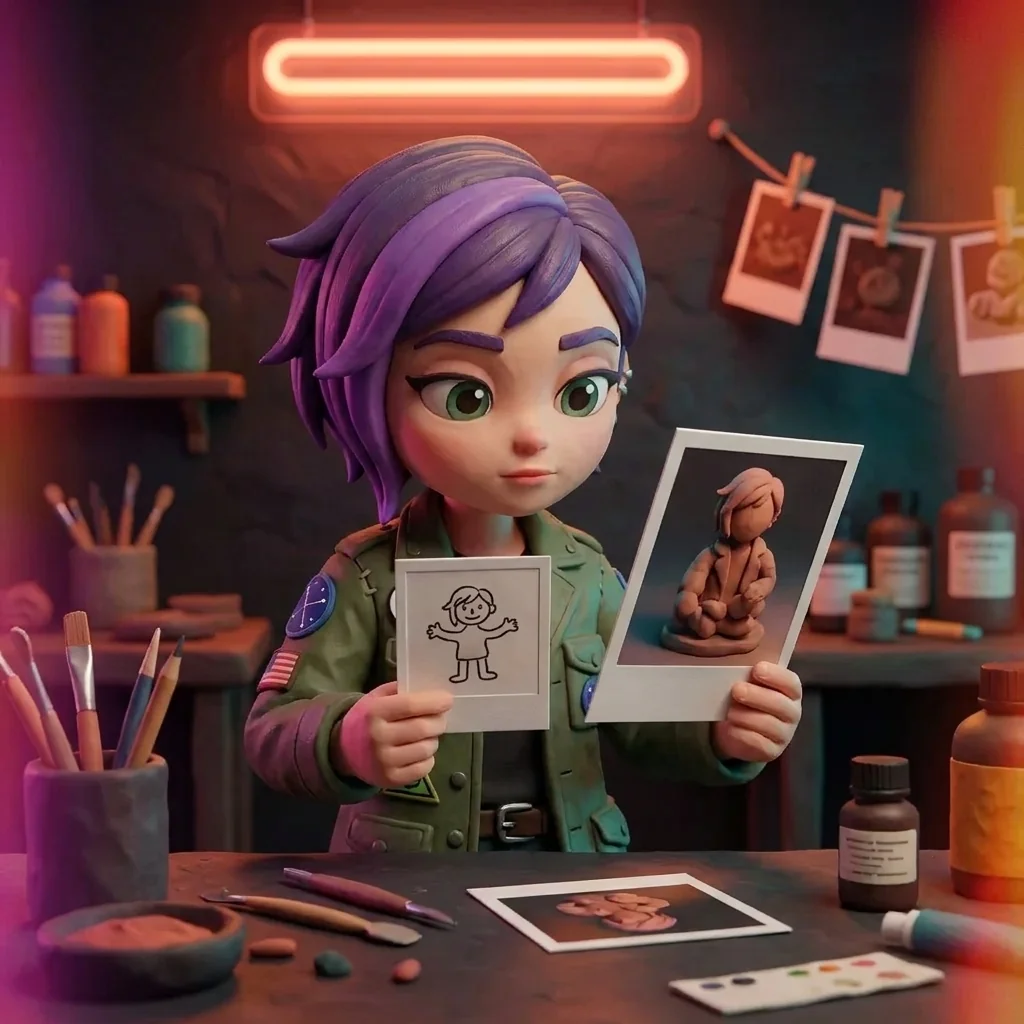
The clay blob, man. 😅 I rolled out my first little clay figure and it looked like a haunted thumb. But then I picked up a real sculpted piece I'd owned for a YEAR and only-just felt how impossibly even the surface was, how alive the pose was — because I'd just spent twenty minutes failing at exactly that. My haunted thumb made me appreciate the masterwork. The bad thing didn't embarrass me. It UPGRADED me. Aristotle, buddy — you were right again.
💡 What to do today
Make one small bad thing this week. 🖍️ That's the whole assignment. A two-minute doodle of the mug on your desk. A clay blob that becomes a lumpy little creature. A scribbled copy of a shape you like. Don't aim for good — aim for finished and honest. Then, within a day, go look at a real piece of art, online or in a room, and notice how differently you see it now. You'll catch the decisions. You'll feel the difficulty. That shift — that's the collector's eye switching on, and you turned it on yourself with a pencil. 🌟
📐 The equation: Making one bad thing × honest attention = the eye that buys the great thing.
The same idea is woven right into our own collection 🌟 — every Turbomindz scene is a finished piece you can choose and keep, and a doorway back into wanting to make something yourself. We never split the makers from the keepers. The village is a loom with room for both your rough thread and your treasured cloth, and a seat we genuinely saved for whoever you are on the day you walk in.
she pins her worst doodle next to the finest piece she owns, and only then does the great one finally start talking back.
🙋 Frequently asked
Does making art make you a better collector? Yes — measurably. Once you've tried to make something yourself, even badly, you can feel the difficulty behind other people's work, so you start seeing the craft, the decisions, and the risks a maker took instead of just a price or a name. Making installs the eye that good collecting runs on. You don't need talent or training — you need one honest attempt.
How do I start making art as a beginner? Start tiny and start today. Grab any pencil and a scrap of paper and spend two minutes drawing one object near you — a mug, your hand, a leaf — aiming for finished and honest, not good. A basic sketch set and a gentle beginner course help, but they're optional; the only required step is making one small thing and letting it be imperfect.
I'm a hobbyist, not a "real" artist — does that count? It absolutely counts, and honestly it's the sweet spot. You don't have to choose between making and collecting; the best collectors keep doing a little of both. A doodle on a napkin and a piece on your wall belong to the same person and the same eye. There is no waiting room and no graduation — you're already in.