The AI art ethics fight was never about the machine. It was always about where things come from — and whether the work can show it. 🔍
In 2022, Refik Anadol fed 138,151 images from the Museum of Modern Art's collection into a machine and let it dream on a wall. He called it painting. That same season, Hito Steyerl looked at the whole genre — AI image generators, the NFTs riding alongside them — and called them "onboarding tools" for tech conglomerates. One built a cathedral out of data. One called the cathedral a trap. Here's the part nobody tells you: they're both right.
🪞 The aura was never about the tool
Ninety years ago, before a single pixel existed, Walter Benjamin saw this coming.
Even the most perfect reproduction of a work of art is lacking in one element: its presence in time and space, its unique existence at the place where it happens to be.
— Walter Benjamin (1892–1940)
He called that missing element the aura — and crucially, it was never a property of the tool. What thins the aura is losing the thread back to the source: the hand, the place, the moment, the consent of the people whose work made the work possible.
🔮 Plot twist: Benjamin wasn't mourning the aura — he was trying to kill it. 😶 Writing as a Marxist in 1935, he argued the aura was exactly the cult-mysticism that fascism feeds on, and that mechanical reproduction could finally rip art out of the temple and hand it to everyone. (Five years later, fleeing the Gestapo, he died at the Spanish border with the argument unfinished.) So the patron saint of "lost aura" actually wanted it gone. What he'd warn us about today isn't the machine — it's who still owns the temple. 🏛️
Anadol is describing the pigment. Steyerl is describing the mine. They're arguing past each other because they're answering two different questions — what is it? and where did it come from? — and treating them as one. They are not one. They never were.
🎨 Anadol's half: it really is a new pigment
Anadol coined "data as pigment" around 2008, and he meant it literally. Unsupervised, the MoMA piece, wasn't scraped from the open internet — it was trained on the museum's own documented collection, 138,151 works with names and dates attached. He pointed the machine at a known archive.
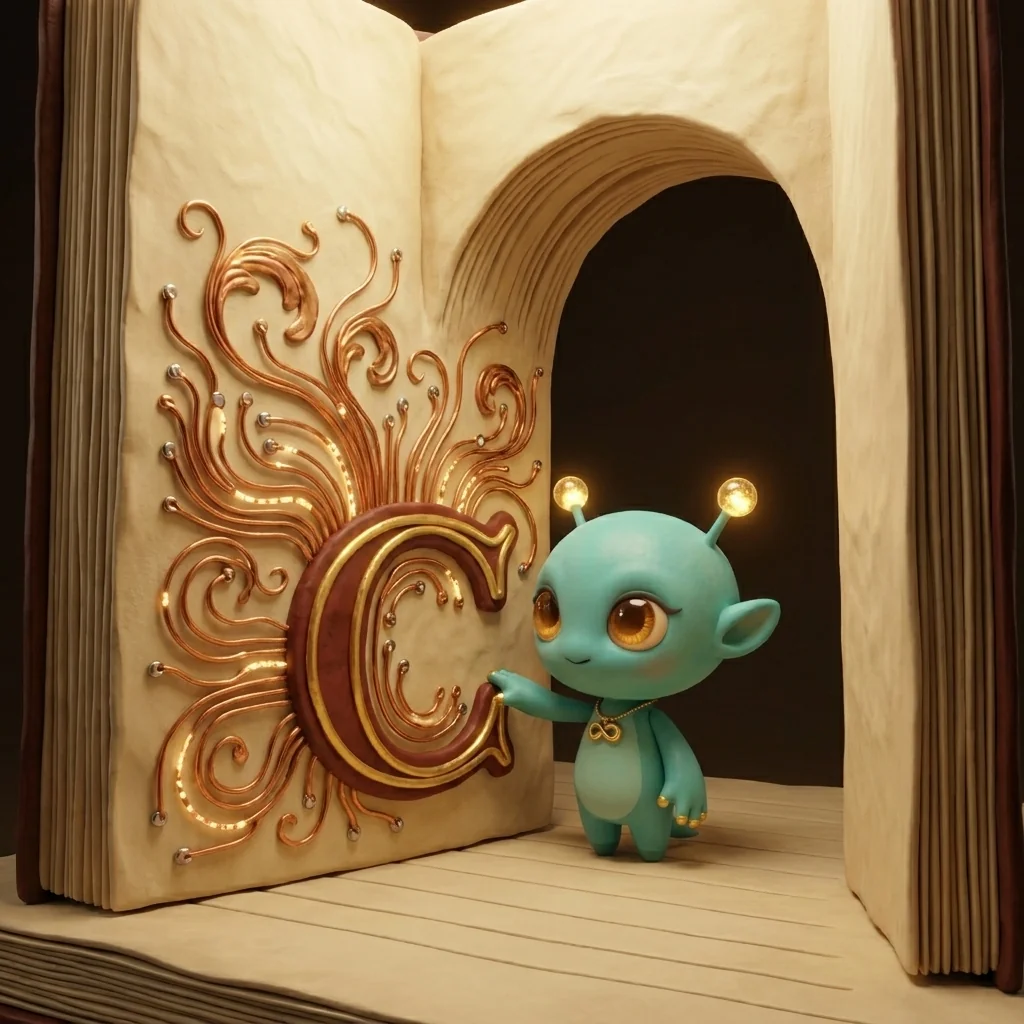
The MIRROR thing genuinely rattled me. 🪞 A mirror doesn't FLATTER you — it shows you who you ARE, including the parts of the dataset you'd rather not look at. Show me where the reflection came from and I'll trust the mirror.
⛏️ Steyerl's half: follow the supply chain
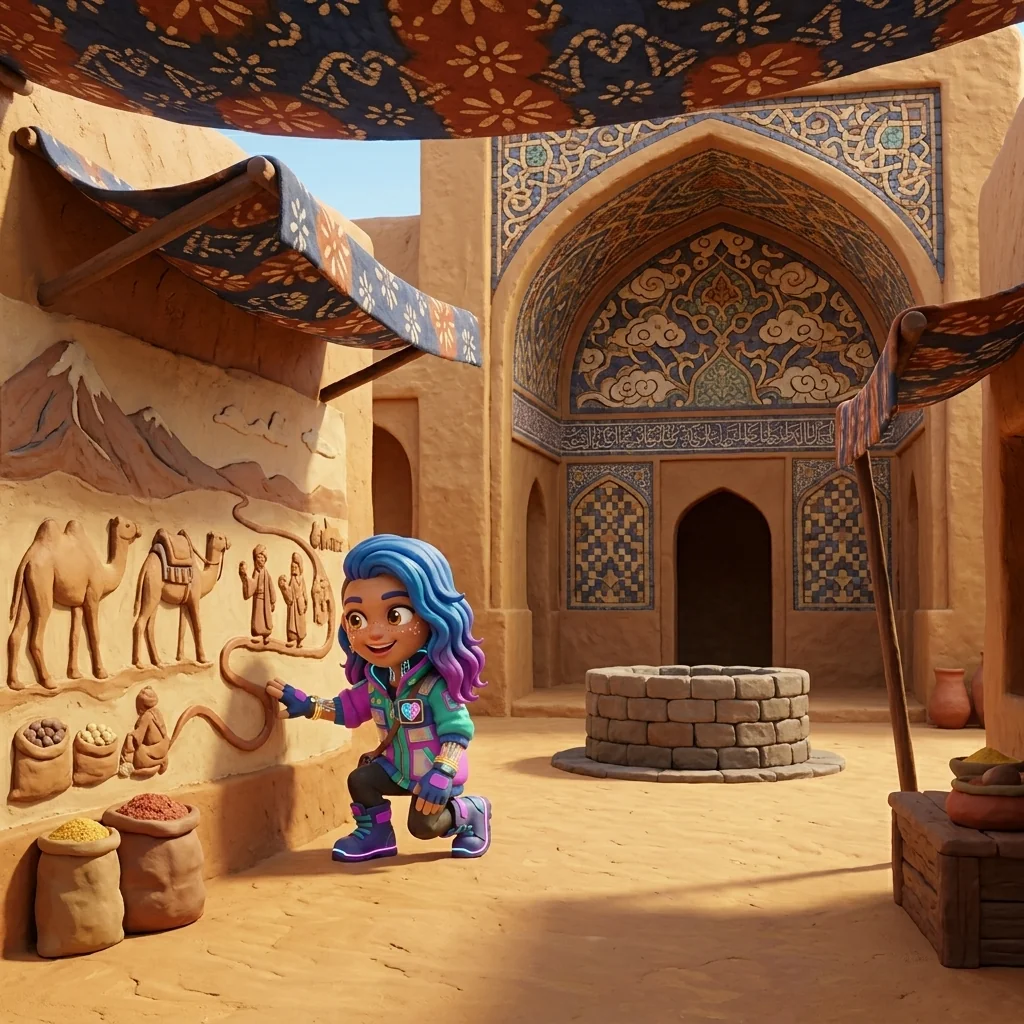
A pigment and the mine it was dug from are not the same ethical object. Most AI imagery isn't born in a museum with 138,151 consenting works — it's born in an extractive supply chain: training sets assembled without permission, the labor of millions of uncredited makers rendered invisible.
Heading into 2026, U.S. courts are drawing exactly that line — the Copyright Office's 2025 guidance and the Bartz v. Anthropic settlement both make lawful sourcing decisive.
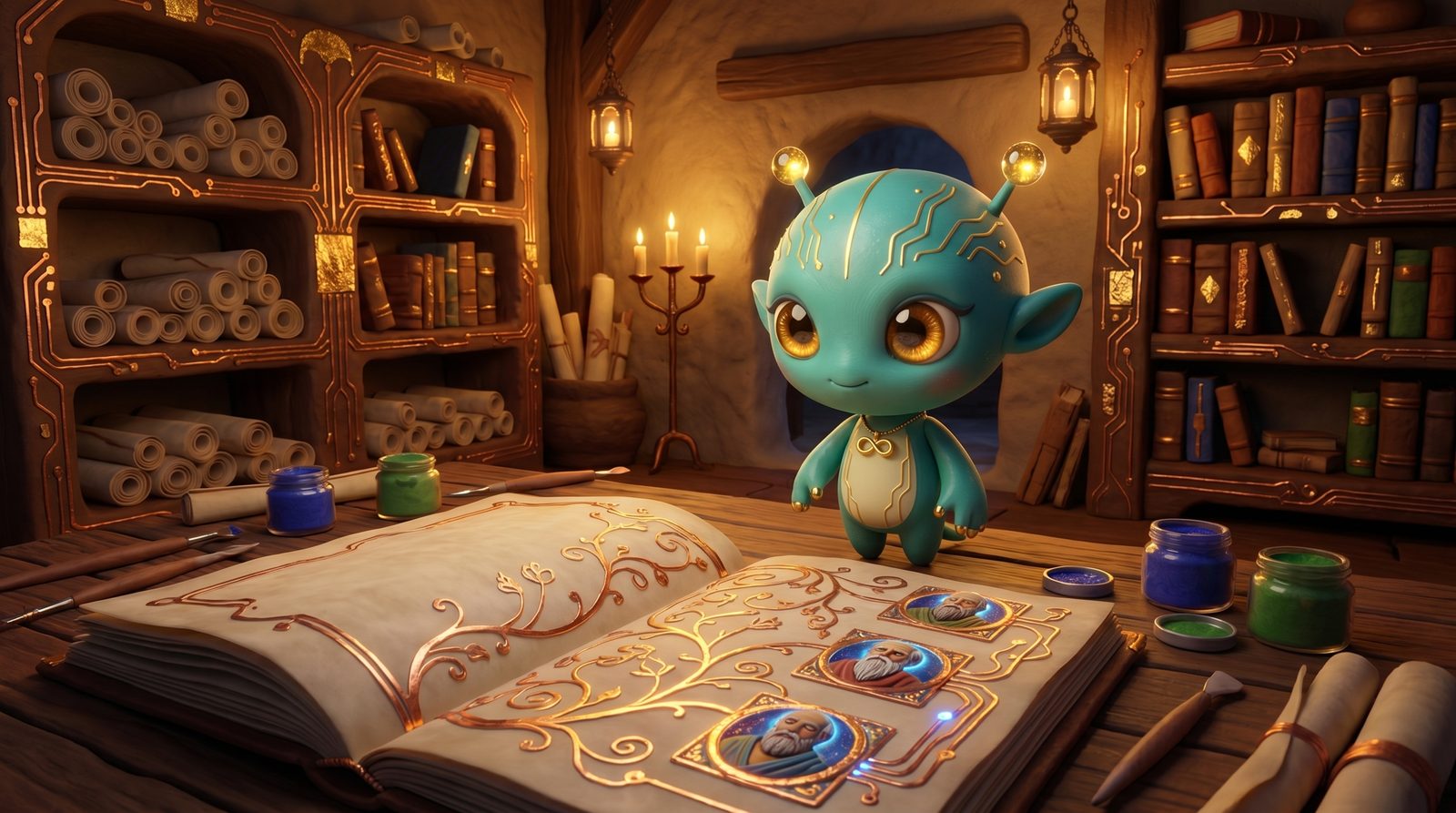
The Village runs on this: we draw quotes from a verified roster of pre-1956 thinkers, work that has passed into the public domain — sources we can name on a page anyone can read. The provenance isn't a marketing line. It's the architecture.
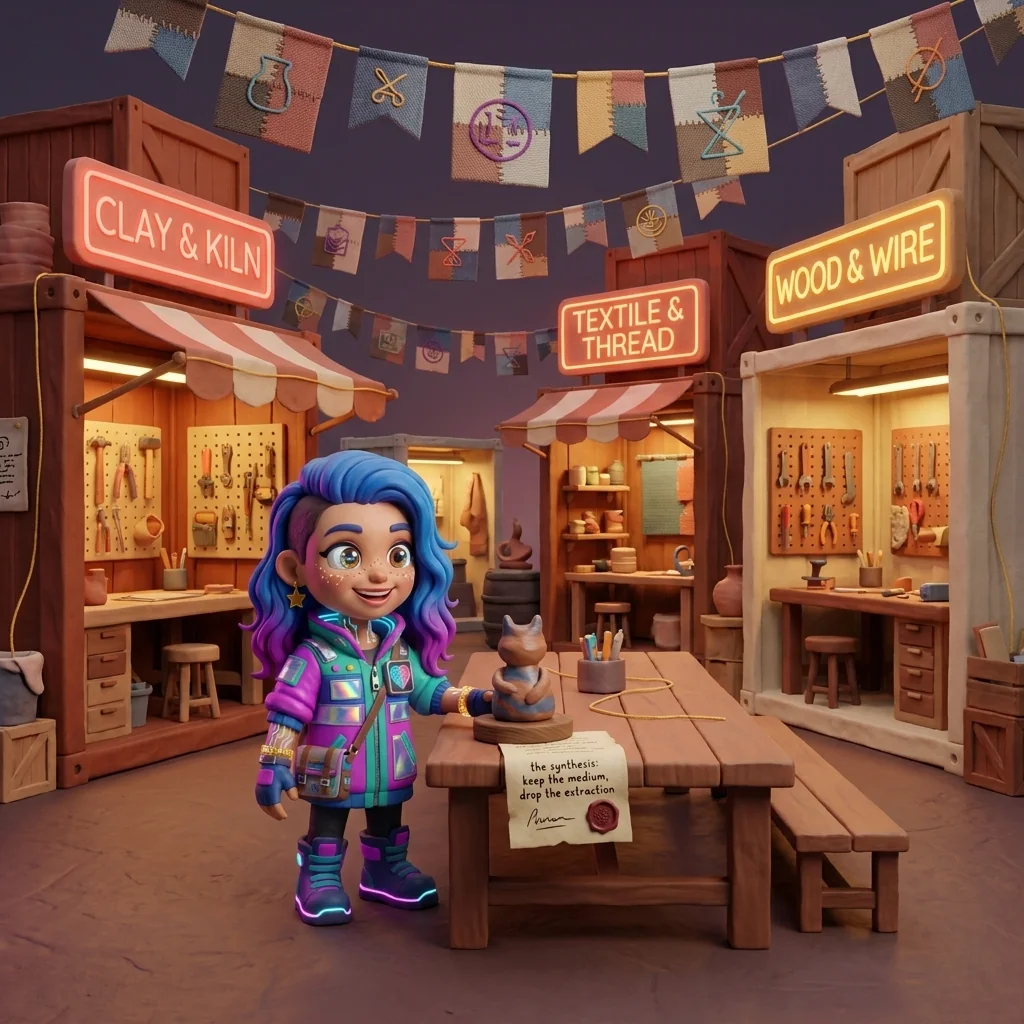
🤝 The synthesis: keep the medium, drop the extraction
You can keep Anadol's pigment and refuse Steyerl's mine. Content Credentials (the open C2PA standard) attach a tamper-evident record to an image — who made it, when, from what. Public-domain and openly licensed datasets let you train and reference from a source that can account for itself.
💡 What to do today
Treat provenance as a feature, not an afterthought: name your sources, prefer the commons, keep a human in the loop, and attach the receipt where the tools support it.
📐 The equation: A real medium − a consented source = a beautiful theft.
she labels the last pressed flower, sets down the pen, and the ink — still wet — already knows the name of the place it came from.
🙋 Frequently asked
Is AI art unethical? Not inherently. The ethics live in provenance, not the tool. AI-assisted work from consented or public-domain sources, with the process disclosed and a human in the loop, can be entirely ethical.
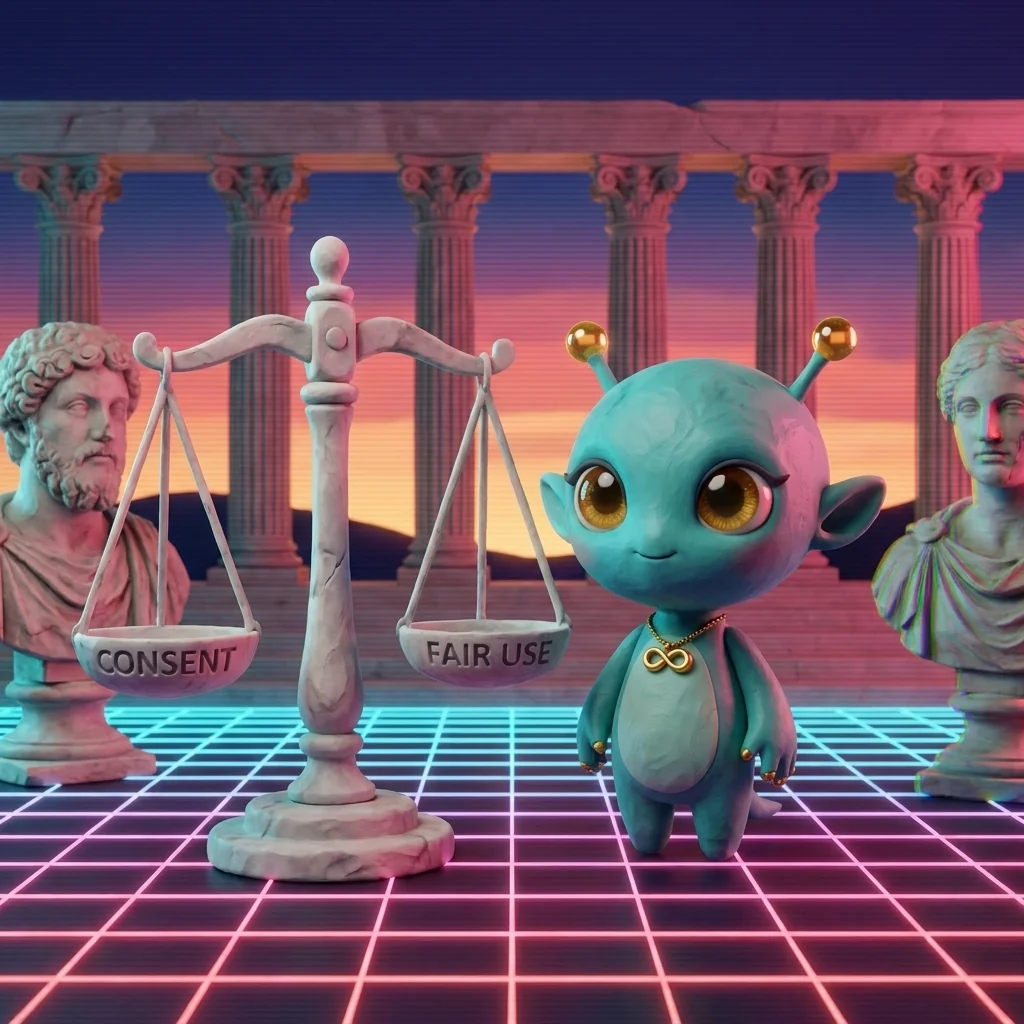
What's the difference between consent and fair use in AI training? Consent means licensed or permissioned data. Fair use is a legal defense for unlicensed use — and as of 2025–2026, U.S. rulings have narrowed it for unlawfully obtained data.
How can AI-assisted art be made ethically? Public-domain or licensed sources, content credentials (C2PA), a disclosed process, and genuine human authorship.