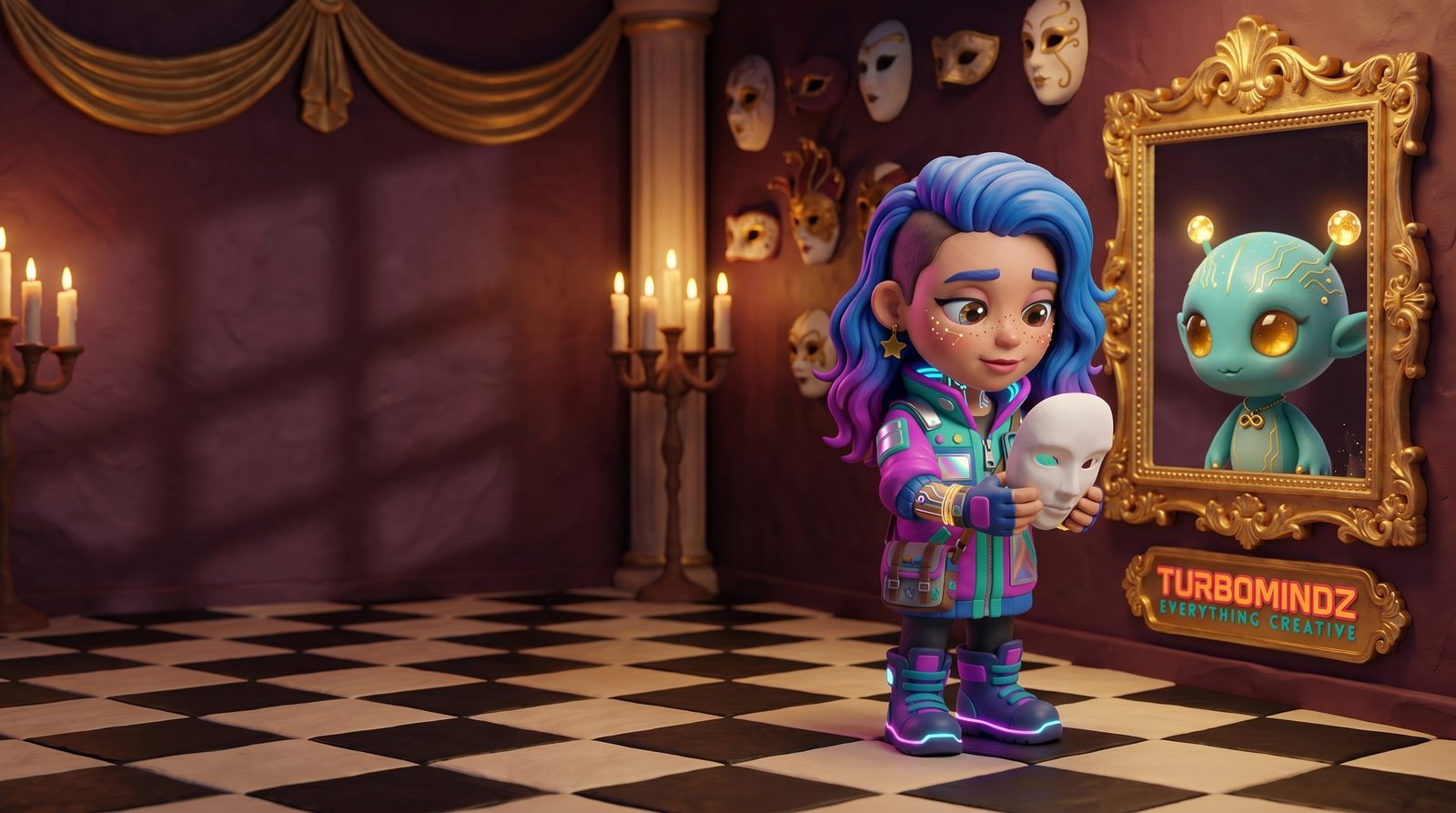
A Venetian carnival mask was never a disguise. It was a persona — Latin for "the thing through which the sound passes." The body wears the soul. The soul needs the body. That, it turns out, is the entire phygital question, and we've been asking it backwards. 🎭
In 2021, Damien Hirst handed 10,000 collectors an impossible choice. Each had bought a painting paired with an NFT — and within a year they had to pick ONE. Keep the NFT and Hirst would burn the painting. Take the painting and the NFT would be destroyed. 5,149 chose the canvas. 4,851 let it burn. It was brilliant, and it was a stunt, and it taught the whole industry exactly the wrong lesson: that the digital and the physical are rivals, and you must choose.
We think they're a marriage.
🪞 The body is the medium
Maurice Merleau-Ponty spent a whole career on one stubborn idea: you don't have a body the way you have a car. You ARE your body, and it's the only way the world ever reaches you.
The body is our general medium for having a world.
— Maurice Merleau-Ponty (1908–1961)
Read that again with an NFT in mind. A token, alone, is a perception with nowhere to land — a soul with no medium, a ghost. A physical artwork, alone, is a body with no story — just a thing on a wall. Neither is complete. The completeness is the binding.
That's the question this whole post answers, plainly: phygital art pairs a digital token with a physical artwork so the two share one identity. Most projects make it an "or." The Turbomindz marriage system makes it an "and," witnessed on-chain — one NFT bound to one physical artwork the holder creates, for life.
🔮 Plot twist: Merleau-Ponty spent his whole career demolishing Descartes' split between mind and body — insisting you don't have a body, you are one. Then, at 53, he died of a stroke at his desk... with a volume of Descartes open in front of him. 😶 The philosopher who proved the soul needs a body had his own body quit mid-sentence, still arguing with the ghost he'd spent a lifetime refuting. The body always gets the last word. That — exactly that — is the whole phygital question. 🫀
🎭 Beat one: the mask is the original phygital
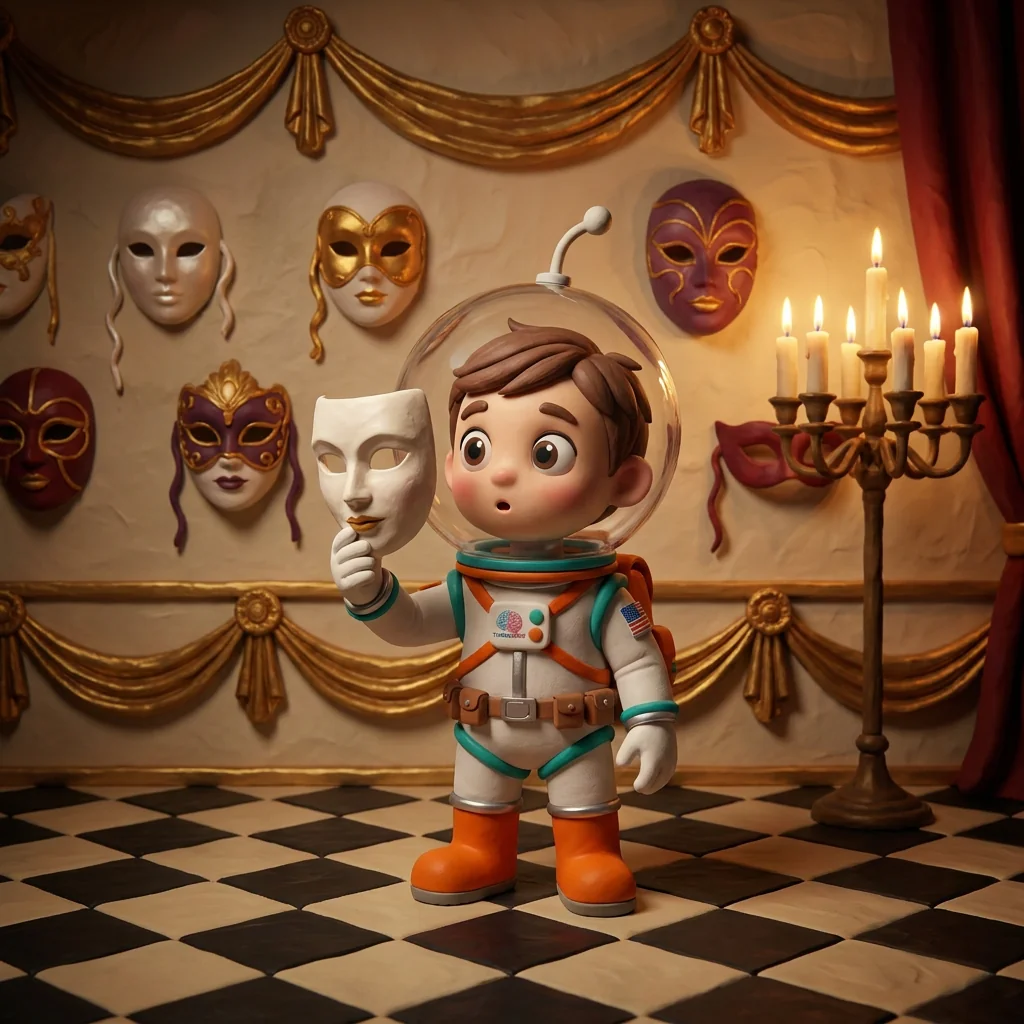
Walk into a Venetian masquerade and you'll find the oldest version of this idea, sculpted in papier-mâché. The mask isn't a costume. In the commedia tradition the mask is the character — the role lives in the object, and the object only comes alive on a face. Two halves of one identity: one physical (the mask), one performed (the persona), bound by use.
That's the marriage system, four hundred years early. It isn't a tech feature we bolted on. It's a commitment-shaped object. The mask carries the role; the body carries the mask; the village watches you wear it. Nothing about that is new. We just put it on-chain.
⚖️ Beat two: Hirst's "or" versus our "and"
The Currency was an or by design — and most of the phygital field quietly copied it. Redeem or burn. Token or object. A clever piece of theatre about scarcity.
Look at the structure, not the spectacle. An "or" is a stunt: it manufactures drama by forcing a loss. An "and" is a system: it creates a third thing — a marriage — where neither half has to die for the other to be real. Same two ingredients, opposite logic.
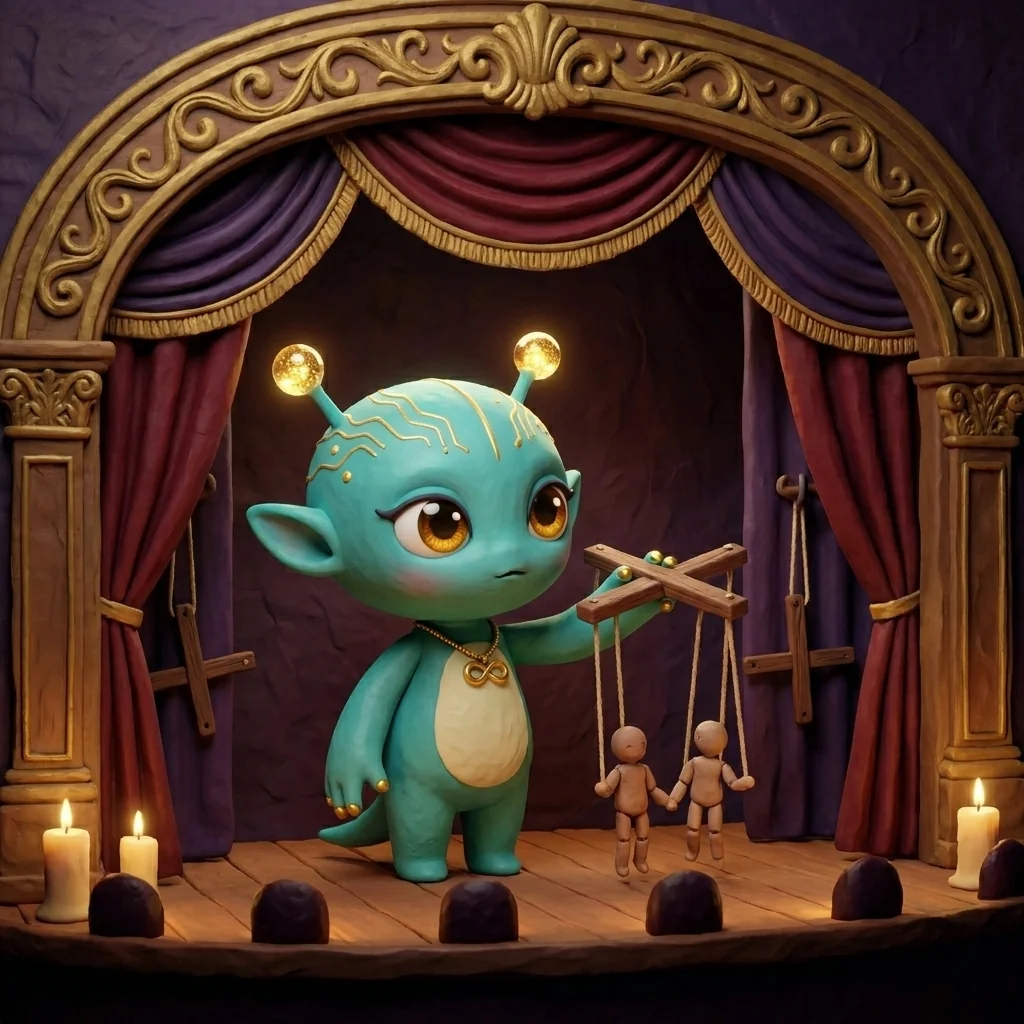
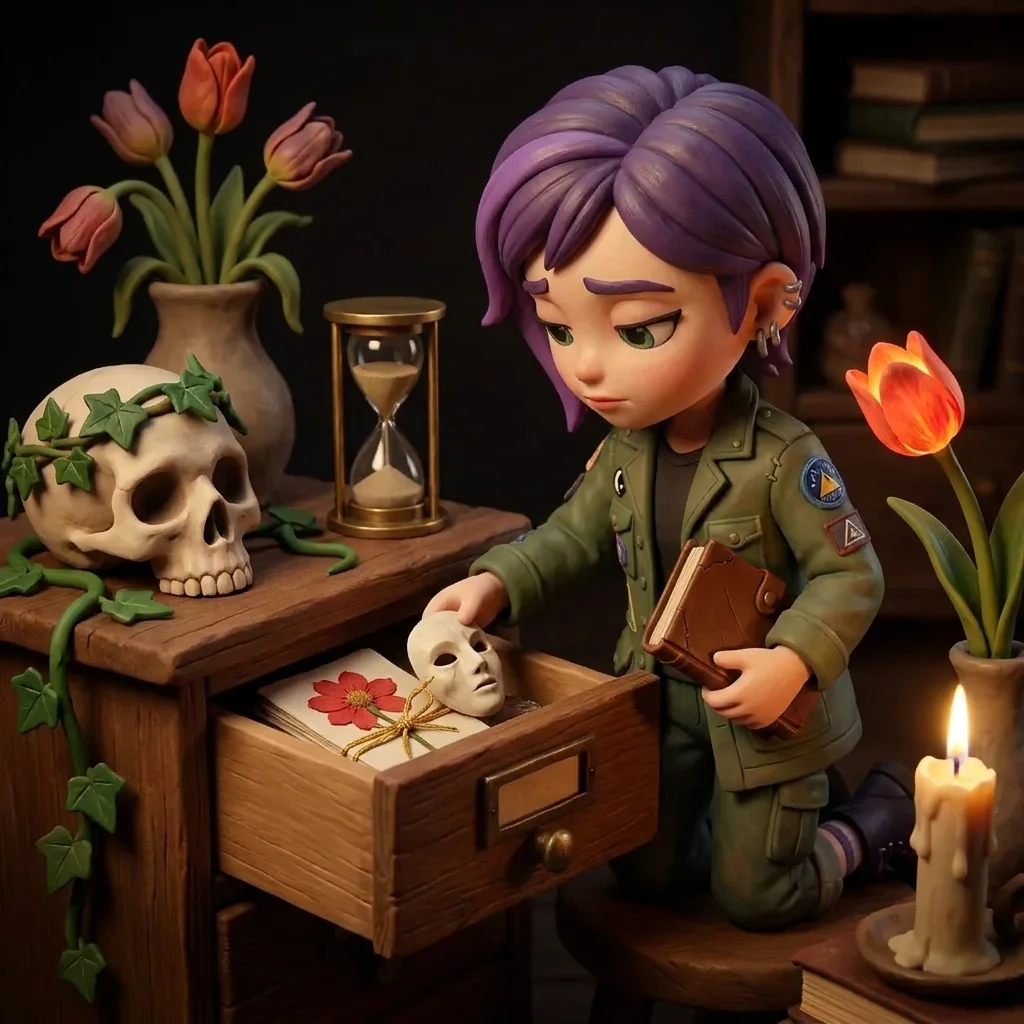
When you marry a scene in the Turbomindz system, nothing burns. The NFT (the soul) stays. You create a physical artwork (the body) — a drawing, a poem, a sculpture, a sound, whatever the scene moves you to make — and bind it to the token, for good. The pairing is single, irreversible, and named.
💍 Beat three: why one-to-one matters
In June 2023, Louis Vuitton sold "soulbound" NFTs linked to physical trunks for about $41,000 each — and made them non-transferable. You couldn't flip them. Identity baked in. The luxury world had stumbled onto the right instinct: some bonds are supposed to be permanent.
Wait — so the thing that makes it VALUABLE is that you CAN'T trade it?? That's the opposite of everything crypto told me!! ...and it makes total sense?? A vow you can sell isn't a vow. It's a coupon.
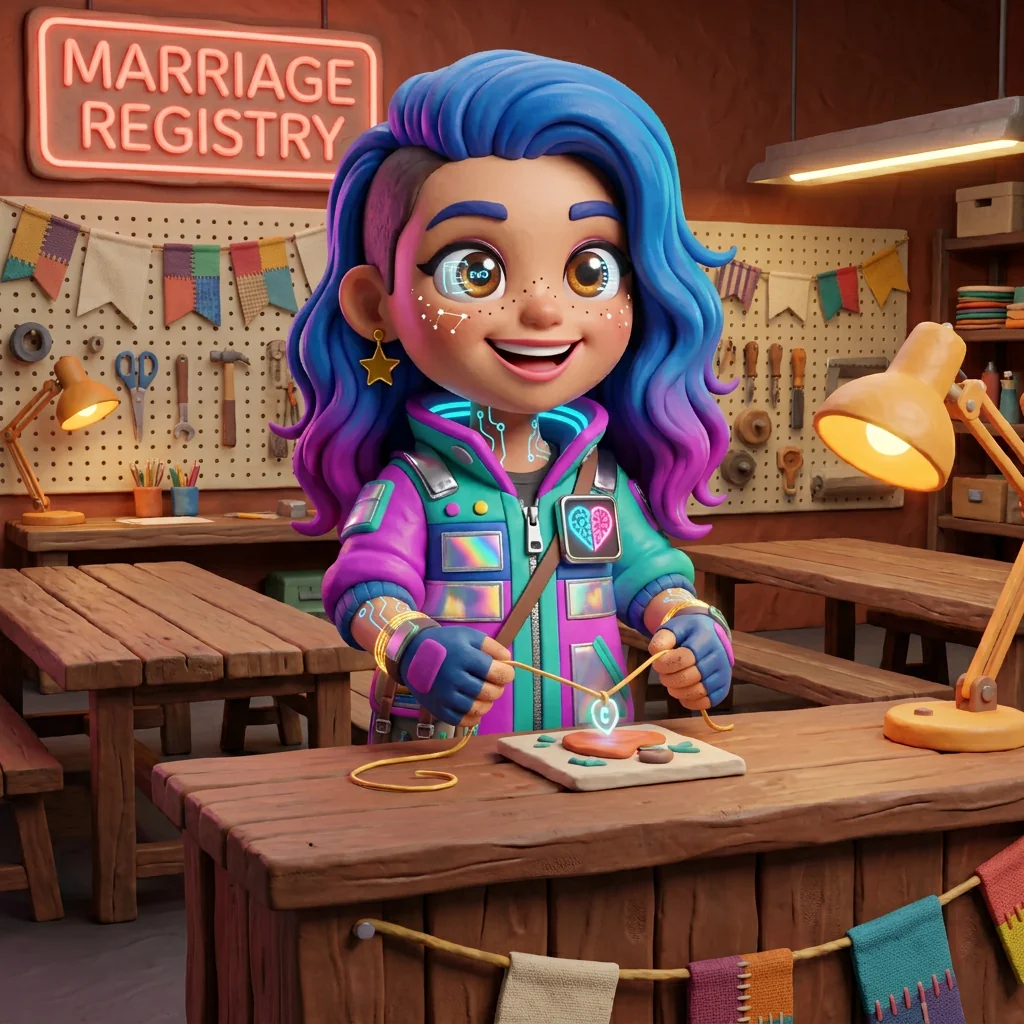
The marriage extends that instinct one step further: not just witnessed ownership, but witnessed creation. One token, one artwork you made yourself, one record the village can read. Single. Irreversible. Yours.
🥹 Beat four: what it actually feels like to be married
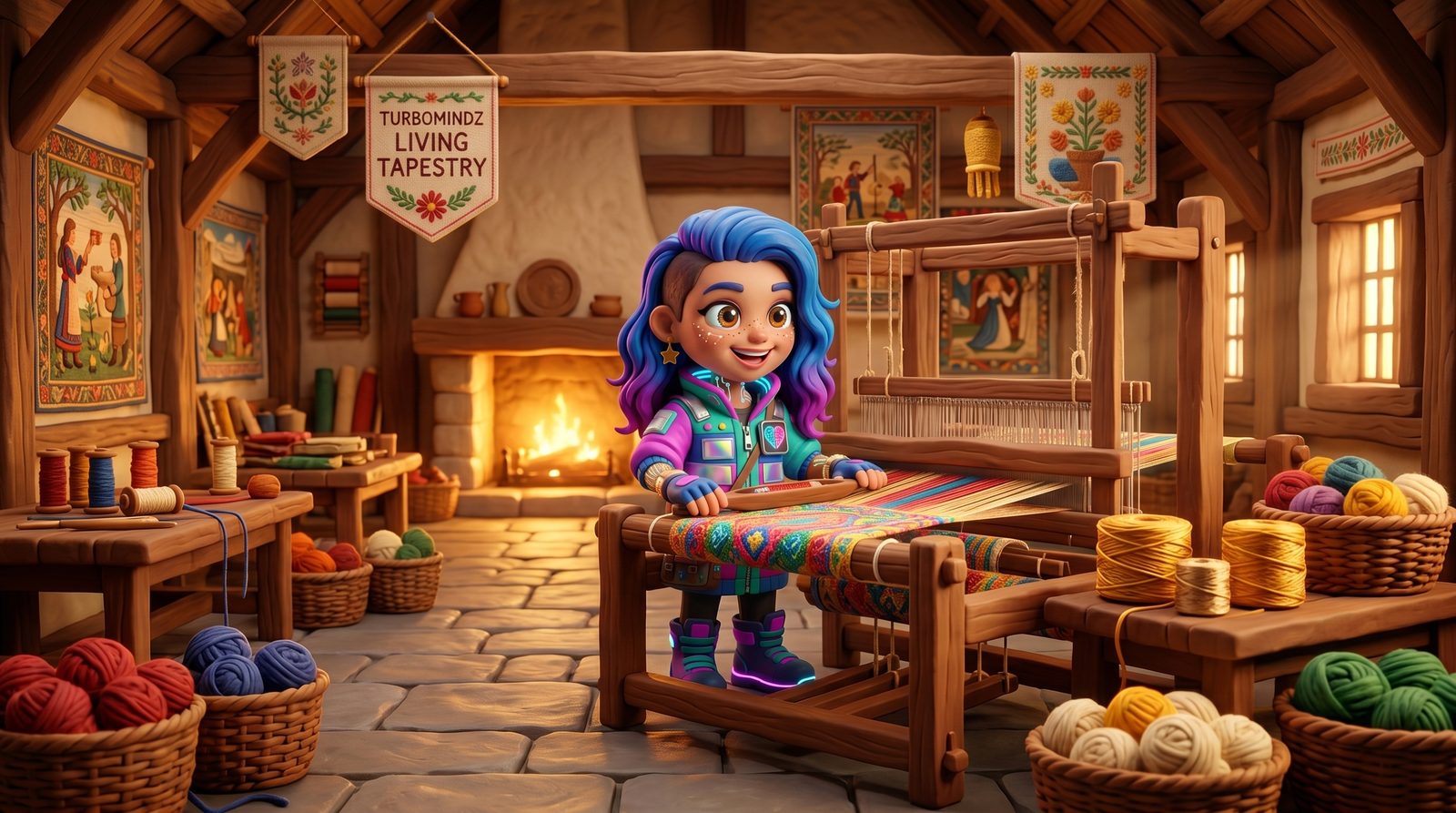
Here's the part the spec sheets miss. You commit. You make the thing — slowly, by hand, the way the whole Village makes everything. You submit it. The community witnesses it, and the artwork becomes part of that scene's canon forever: the soul (the NFT), the body (your artwork), and the village (the witnesses), all named on one record.
It isn't merch with extra steps. It's a vow.
💡 What to do today (even if you'll never marry a scene)
Try the mask test on anything digital you own. Pick one file — a photo, a track, a token — and ask: what's the body that would make this real? What physical, made-by-hand, one-of-one object would give this perception somewhere to land? The answer is the missing half of every JPEG you've ever "owned."
📐 The equation: NFT − a body = a ghost. Artwork − a witness = just a thing. NFT + body + village = a marriage.
Hirst asked you to choose which half to kill. We think that was the wrong question all along. The mask never had to choose. Neither do you.
she ties the ribbon, and the two faces — the painted and the kept — finally stop being two.
🙋 Frequently asked
What is phygital art? Phygital art pairs a digital token (an NFT) with a physical artwork so the two share one bound identity, rather than existing as separate things.
How is the marriage system different from just buying an NFT and a print? It's a one-to-one commitment witnessed on-chain: one NFT marries one physical artwork the holder creates, for life. A print is a copy; a marriage is a vow. One is reproduction, the other is binding.
Can a marriage be undone or transferred? No — and that's the point. Permanence is what makes it a marriage rather than a pairing. Single, irreversible, named.